Sometimes I stop and think about what the statistics might have predicted for my life, particularly when I reflect on the experiences that have shaped me.
I am a woman of colour, a single mum, someone who has experienced domestic abuse and someone who has experienced postnatal depression and recovered. When you look at the data connected to some of these experiences, it can create a very particular picture of what a person’s opportunities, career and future might look like, if you let it.
Official data highlights the scale of these inequalities. People from mixed ethnic backgrounds, sometimes described as dual heritage, reported the highest rate of domestic abuse, at 7.9%.
Black women were 2.72 times more likely than White women to die during pregnancy or shortly after childbirth. Meanwhile, Black people were nearly four times more likely than White people to be detained under the Mental Health Act, meaning they were legally required to stay in hospital for mental health assessment or treatment.
These are just a few examples within the wider landscape of inequality around poverty, employment, health and representation, which can influence how people’s opportunities and futures are perceived.
These statistics are important because they show where systems are not working fairly and where people continue to be excluded or disproportionately affected. Behind every figure is a real person, but the data can only tell part of their story. It may describe the circumstances they are facing, but it cannot measure their grit, ambition, resilience or potential, nor predict the opportunities they may create, the people they may support or the difference they may go on to make.
Ten years of building something I believe in
This year marks a decade since I started running my own business, and reaching that milestone has encouraged me to reflect on how it all began.
I did not have everything worked out. I did not have a perfect plan, a huge network, social capital or a clear picture of where the business might take me.
I simply knew that I had a passion and wanted to use my experiences, knowledge and skills to help create better workplaces and support people to approach conversations that were too often being avoided.
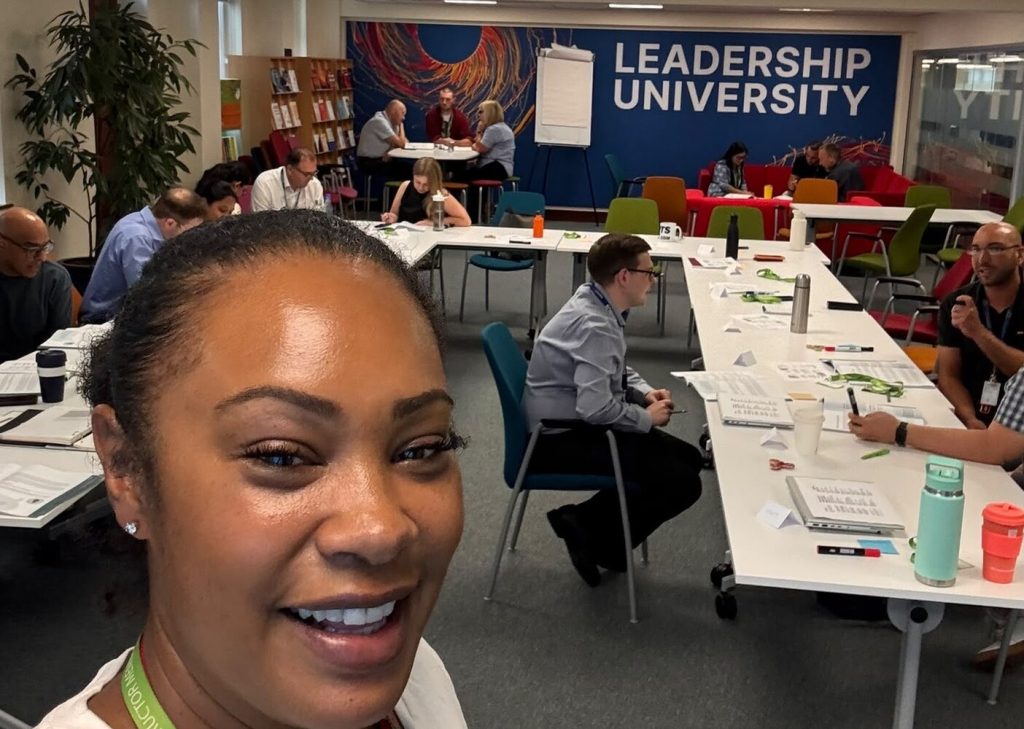
Since then, I have had the privilege of training thousands of people and working with hundreds of organisations across different sectors. I have delivered sessions on race equity, mental health, allyship, leadership and workplace culture, helping people build confidence, challenge inequality and think more carefully about the environments they create for others.
I have also been invited to speak on stages, take part in interviews, judge awards and contribute to discussions I could never have imagined being involved in when I first started.I am grateful for every opportunity, but that does not mean I have always felt completely comfortable stepping into them.
There have been times when I have questioned whether I should put myself forward. I have wondered whether I was experienced enough, polished enough or whether I really belonged in the room.
Like many people, I have experienced feelings associated with impostor syndrome at different points in my life. For people from vulnerable and marginalised groups, those feelings can be more frequent and more difficult to overcome.
I have felt this many times, but my purpose has pushed me through. I try to take every opportunity to inspire the version of me I needed to see 10 years ago.
Sometimes, staying behind the scenes felt safer. Self-doubt does not automatically disappear when a business becomes established or when other people begin to recognise your work. There are still moments when I have to remind myself why being visible is important.
Showing what may be possible
For me, visibility is not about seeking attention or being the loudest person in the room, although that is what I once thought it meant. My understanding of visibility has evolved as I have grown, both as a person and as a business owner.
It is about helping someone else see what may be possible, particularly when they do not often see people with experiences similar to their own represented in leadership, business, public speaking or positions of influence.
I think about the younger me, raising a child on her own while trying to build a career based on something she is passionate about. I think about the woman I was when I left an unhealthy relationship with nothing but a chubby six-month-old baby and nothing to my name. I think about the person experiencing poor mental health who may currently struggle to imagine a future that looks different from the situation they are in today.
I cannot tell anyone that the journey will be easy. There have been long hours, difficult decisions, financial uncertainty and moments of exhaustion. I have been through the credit crisis, COVID-19, slashed training budgets, the backlash against diversity and inclusion, the Black Lives Matter movement and current global events that continue to influence the landscape.
Some opportunities did not work out. Some ideas had to change. There were times when I had to keep going without knowing exactly what the outcome would be.
But there have also been so many positive experiences.
I have watched people leave training feeling more confident about challenging racism, supporting a colleague or approaching a situation they had previously been afraid to address.
I have worked with organisations that were prepared to listen, reflect and make changes. I have met people whose openness, honesty and commitment have continued to inspire me and that is what has kept me moving forward.
More than a training session
The work has never only been about delivering training.
It has been about helping people feel safer, more confident and better able to speak up. It has involved encouraging organisations to look closely at their culture and understand how leadership, wellbeing and inclusion shape people’s everyday experiences at work.
On a personal level, it has also been about showing the people coming behind me that their starting point does not have to determine where they finish.
I do not share my story because I believe everyone’s journey will look like mine. We all have different experiences, opportunities and levels of support, and it would be wrong to suggest that determination alone can overcome structural inequality.
People should not have to become exceptionally resilient simply to access the same opportunities as everyone else.
Organisations, leaders and wider systems still have a responsibility to remove barriers, address inequality and create fairer environments. Real change cannot depend entirely on individuals finding the strength to navigate systems that were not designed with them in mind.
But I also understand the power of seeing someone and thinking, “If she can do it, perhaps I can too.”
Sometimes, that small shift in what we believe is possible can become the beginning of something much bigger.
Looking towards what comes next
As I reflect on this milestone, I feel proud of what I have built, grateful to everyone who has trusted me and excited about the next chapter.
I am particularly excited about the Allyship Community Platform we are currently building, shaped by feedback from our flagship Race Ahead Programme.
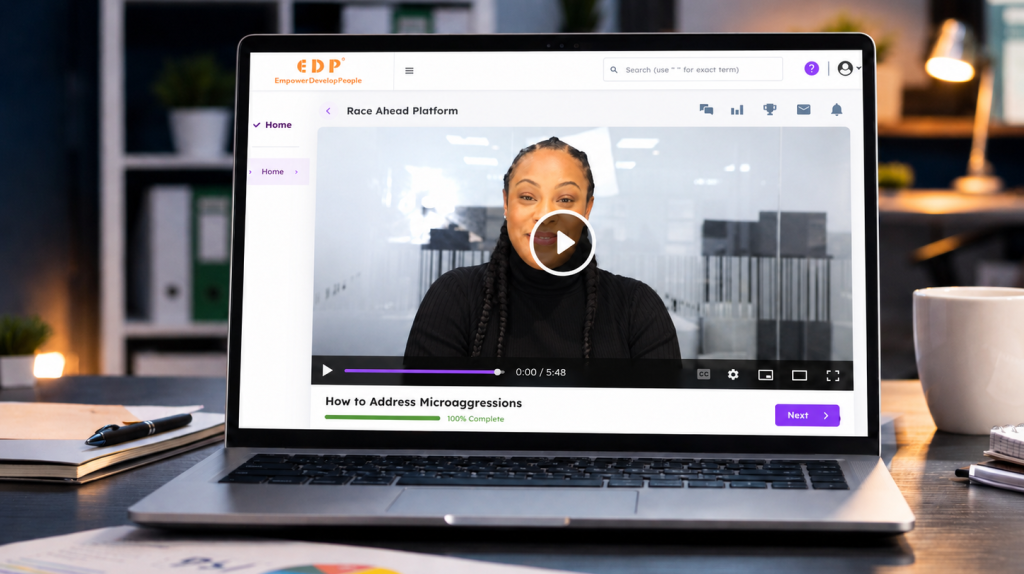
For a long time, I have seen how much can begin in a training room, but I have also seen how difficult it can be for people to continue that learning once they return to work.
The platform is being created to give people somewhere to keep learning, ask questions, reflect on real workplace situations and build their confidence over time. It feels like a natural next step for the work we have been doing and for the kind of longer-term change I have always wanted to support.
There is still a great deal of work ahead, but I am excited to continue developing something that helps people move beyond awareness and turn their intentions into action.
The statistics may help explain where I started and some of the barriers I have faced, but they do not get to decide how my story ends.
And by continuing to show up, I hope someone else might begin to imagine a different future for themselves too.