Cape Verde Travelogue
Reason to Visit Cape Verde
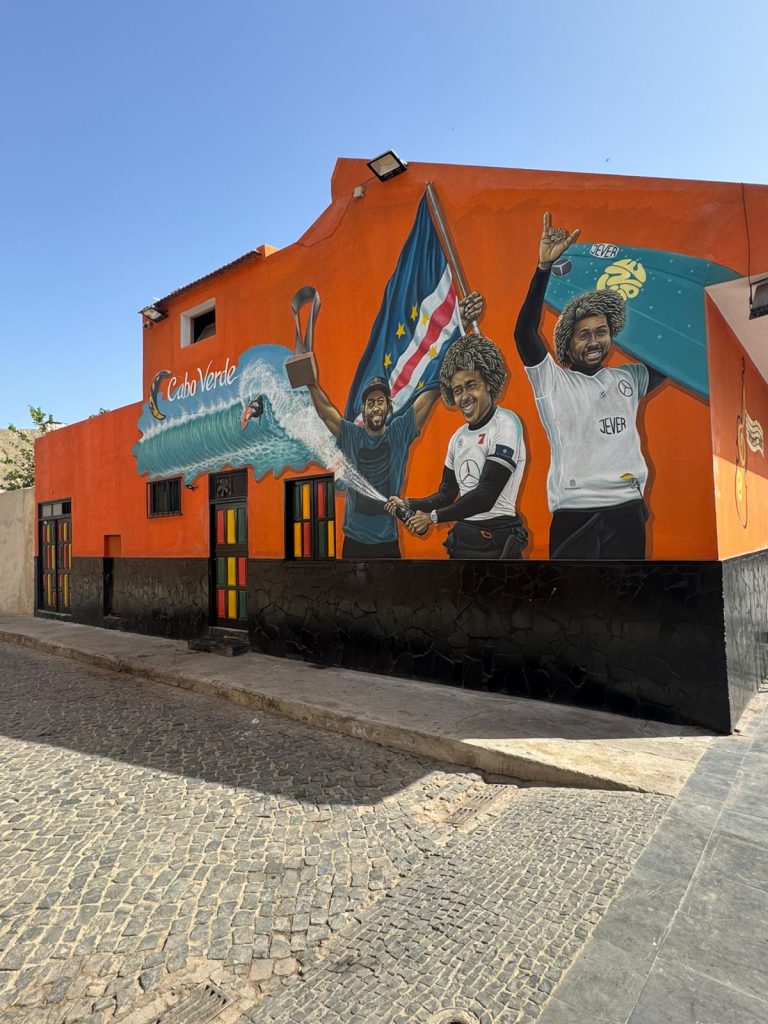
I started this year with a trip to Cape Verde, an island nation off the coast of West Africa that played a pivotal role in the transatlantic slave trade. The island of Sal, now famous for its salt flats and tourism, was once deeply connected to the economics of enslavement.
During the 15th and 16th centuries, Cape Verde became a key hub for the Portuguese, serving as a stopover for ships transporting enslaved Africans to the Americas. Salt, a critical commodity for preserving food during long voyages, was harvested here, deeply linking its value to the system of oppression.
While Sal is now known for its beautiful beaches and resorts, its history runs deep. Each journey I take strengthens my understanding of the legacy of enslavement and its lasting impact, knowledge that is crucial as we prepare to revamp our training in April.
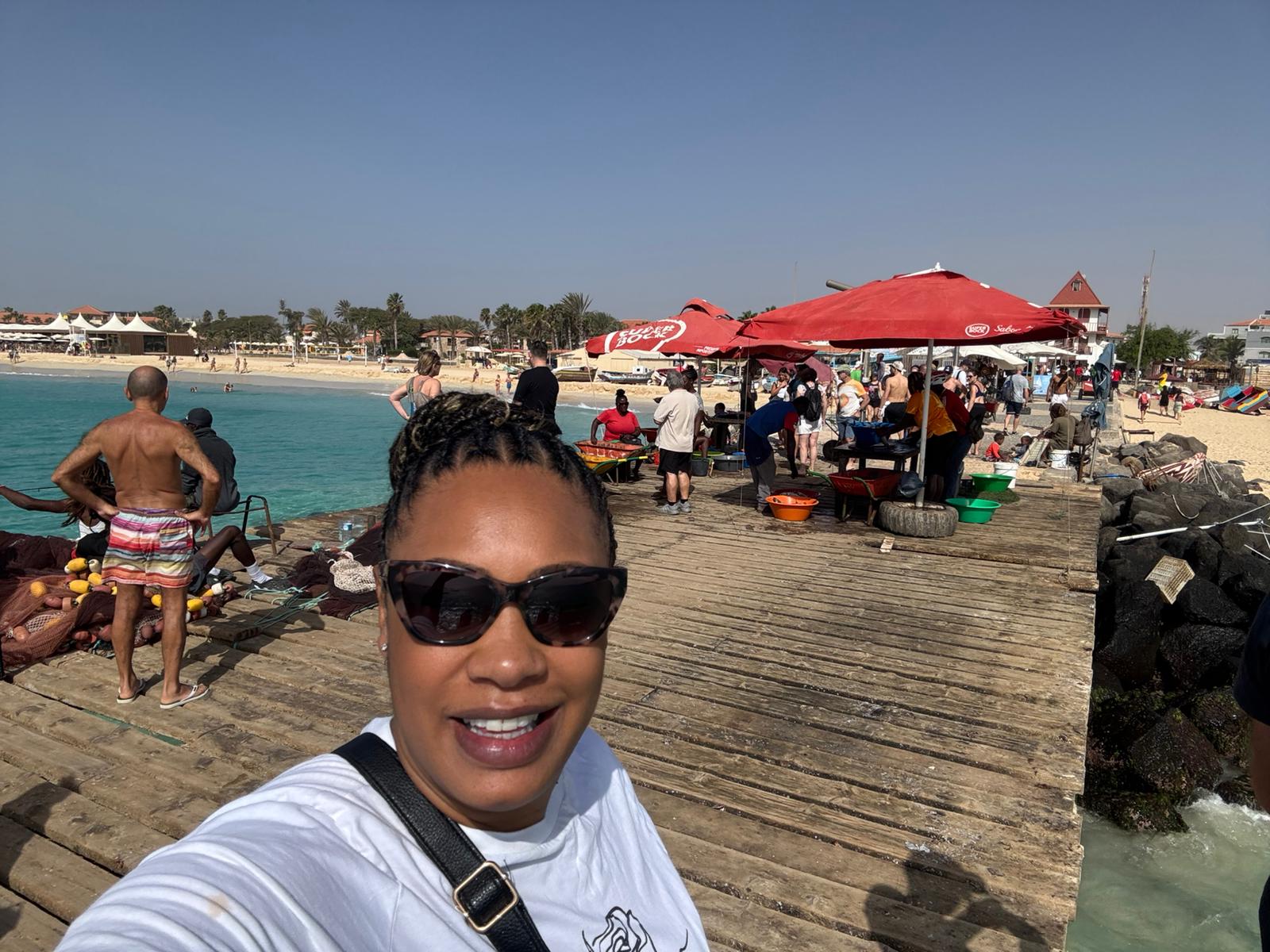
Sal boat
This monument, symbolizing emancipation, stands on an island off the coast of Senegal, historically used as a hub for the transatlantic slave trade. For four centuries, enslaved individuals were brought there before being transported across the Atlantic, a practice that persisted until the 19th century.
Not far from this site, Lisbon’s city hall now occupies the location where a former slave prison once stood. Enslaved Africans were detained there until taxes were paid by their owners.
Portugal, a nation that celebrates its explorers and maritime heritage, finds its colonial history a contentious topic. Traditionally, the country has taken pride in its perception of racial inclusivity.
Impact of Slavery on Modern Cape Verde
Cape Verde’s culture is deeply shaped by its history of slavery, evident in its language, music, religion, and traditions. The Cape Verdean Creole language (Kriolu), spoken by nearly everyone on the islands, emerged as a fusion of African languages and Portuguese, originally developed as a means of communication between enslaved people and colonizers. Despite Portuguese remaining the official language, Kriolu is the true expression of Cape Verdean identity, carrying the rhythms and structures of African speech patterns.
Music, one of the most defining aspects of Cape Verdean culture, also reflects the legacy of slavery. Morna, the country’s most famous genre, carries the melancholic tones of sodade—a deep longing and nostalgia rooted in the experience of forced migration and separation. Instruments like the cavaquinho (a small guitar introduced by the Portuguese) were adapted into local styles, blending European melodies with African rhythms. Similarly, batuko, a drumming and dance tradition with clear African origins, was once suppressed by colonial authorities but survived as a powerful symbol of resistance and resilience.
Religious and spiritual practices in Cape Verde also bear traces of slavery’s impact. While Catholicism, introduced by the Portuguese, is the dominant religion, many Cape Verdeans incorporate African spiritual beliefs and practices into their faith. This syncretism is evident in traditions like healing rituals, ancestor veneration, and the symbolic use of music and dance in religious ceremonies.
Even culinary traditions reflect the blending of cultures shaped by slavery. Dishes like cachupa, a slow-cooked stew of corn, beans, and meats, originated from the limited resources available to enslaved people. Over time, these dishes evolved into national staples, representing the ingenuity and adaptability of Cape Verdeans in the face of hardship.