Sometimes I stop and think about what the statistics might have predicted for my life, particularly when I reflect on the experiences that have shaped me.
I am a woman of colour, a single mum, someone who has experienced domestic abuse and someone who has experienced postnatal depression and recovered. When you look at the data connected to some of these experiences, it can create a very particular picture of what a person’s opportunities, career and future might look like, if you let it.
Official data highlights the scale of these inequalities. People from mixed ethnic backgrounds, sometimes described as dual heritage, reported the highest rate of domestic abuse, at 7.9%.
Black women were 2.72 times more likely than White women to die during pregnancy or shortly after childbirth. Meanwhile, Black people were nearly four times more likely than White people to be detained under the Mental Health Act, meaning they were legally required to stay in hospital for mental health assessment or treatment.
These are just a few examples within the wider landscape of inequality around poverty, employment, health and representation, which can influence how people’s opportunities and futures are perceived.
These statistics are important because they show where systems are not working fairly and where people continue to be excluded or disproportionately affected. Behind every figure is a real person, but the data can only tell part of their story. It may describe the circumstances they are facing, but it cannot measure their grit, ambition, resilience or potential, nor predict the opportunities they may create, the people they may support or the difference they may go on to make.
Ten years of building something I believe in
This year marks a decade since I started running my own business, and reaching that milestone has encouraged me to reflect on how it all began.
I did not have everything worked out. I did not have a perfect plan, a huge network, social capital or a clear picture of where the business might take me.
I simply knew that I had a passion and wanted to use my experiences, knowledge and skills to help create better workplaces and support people to approach conversations that were too often being avoided.
Since then, I have had the privilege of training thousands of people and working with hundreds of organisations across different sectors. I have delivered sessions on race equity, mental health, allyship, leadership and workplace culture, helping people build confidence, challenge inequality and think more carefully about the environments they create for others.
I have also been invited to speak on stages, take part in interviews, judge awards and contribute to discussions I could never have imagined being involved in when I first started.I am grateful for every opportunity, but that does not mean I have always felt completely comfortable stepping into them.
There have been times when I have questioned whether I should put myself forward. I have wondered whether I was experienced enough, polished enough or whether I really belonged in the room.
Like many people, I have experienced feelings associated with impostor syndrome at different points in my life. For people from vulnerable and marginalised groups, those feelings can be more frequent and more difficult to overcome.
I have felt this many times, but my purpose has pushed me through. I try to take every opportunity to inspire the version of me I needed to see 10 years ago.
Sometimes, staying behind the scenes felt safer. Self-doubt does not automatically disappear when a business becomes established or when other people begin to recognise your work. There are still moments when I have to remind myself why being visible is important.
Showing what may be possible
For me, visibility is not about seeking attention or being the loudest person in the room, although that is what I once thought it meant. My understanding of visibility has evolved as I have grown, both as a person and as a business owner.
It is about helping someone else see what may be possible, particularly when they do not often see people with experiences similar to their own represented in leadership, business, public speaking or positions of influence.
I think about the younger me, raising a child on her own while trying to build a career based on something she is passionate about. I think about the woman I was when I left an unhealthy relationship with nothing but a chubby six-month-old baby and nothing to my name. I think about the person experiencing poor mental health who may currently struggle to imagine a future that looks different from the situation they are in today.
I cannot tell anyone that the journey will be easy. There have been long hours, difficult decisions, financial uncertainty and moments of exhaustion. I have been through the credit crisis, COVID-19, slashed training budgets, the backlash against diversity and inclusion, the Black Lives Matter movement and current global events that continue to influence the landscape.
Some opportunities did not work out. Some ideas had to change. There were times when I had to keep going without knowing exactly what the outcome would be.
But there have also been so many positive experiences.
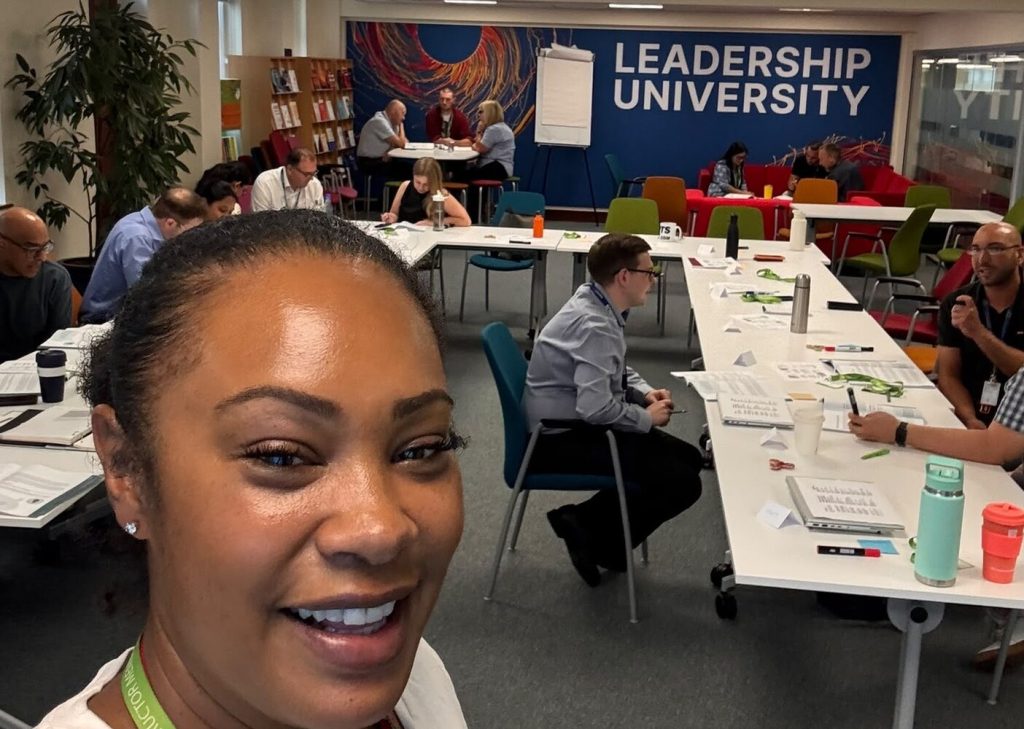
I have watched people leave training feeling more confident about challenging racism, supporting a colleague or approaching a situation they had previously been afraid to address.
I have worked with organisations that were prepared to listen, reflect and make changes. I have met people whose openness, honesty and commitment have continued to inspire me and that is what has kept me moving forward.
More than a training session
The work has never only been about delivering training.
It has been about helping people feel safer, more confident and better able to speak up. It has involved encouraging organisations to look closely at their culture and understand how leadership, wellbeing and inclusion shape people’s everyday experiences at work.
On a personal level, it has also been about showing the people coming behind me that their starting point does not have to determine where they finish.
I do not share my story because I believe everyone’s journey will look like mine. We all have different experiences, opportunities and levels of support, and it would be wrong to suggest that determination alone can overcome structural inequality.
People should not have to become exceptionally resilient simply to access the same opportunities as everyone else.
Organisations, leaders and wider systems still have a responsibility to remove barriers, address inequality and create fairer environments. Real change cannot depend entirely on individuals finding the strength to navigate systems that were not designed with them in mind.
But I also understand the power of seeing someone and thinking, “If she can do it, perhaps I can too.”
Sometimes, that small shift in what we believe is possible can become the beginning of something much bigger.
Looking towards what comes next
As I reflect on this milestone, I feel proud of what I have built, grateful to everyone who has trusted me and excited about the next chapter.
I am particularly excited about the Allyship Community Platform we are currently building, shaped by feedback from our flagship Race Ahead Programme.
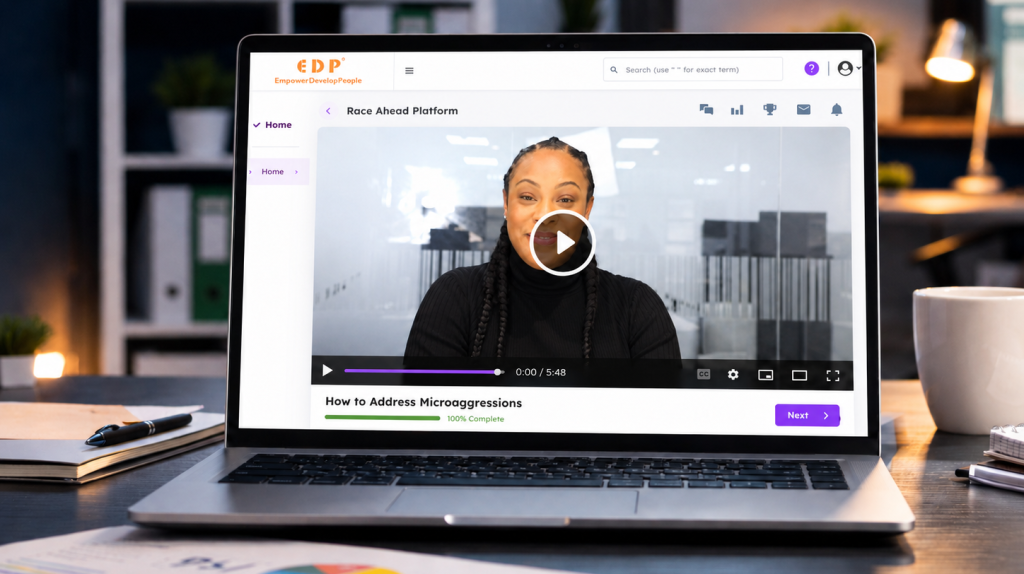
For a long time, I have seen how much can begin in a training room, but I have also seen how difficult it can be for people to continue that learning once they return to work.
The platform is being created to give people somewhere to keep learning, ask questions, reflect on real workplace situations and build their confidence over time. It feels like a natural next step for the work we have been doing and for the kind of longer-term change I have always wanted to support.
There is still a great deal of work ahead, but I am excited to continue developing something that helps people move beyond awareness and turn their intentions into action.
The statistics may help explain where I started and some of the barriers I have faced, but they do not get to decide how my story ends.
And by continuing to show up, I hope someone else might begin to imagine a different future for themselves too.
A little bit of exciting news
I’ve been shortlisted in two categories at the EntreConf Awards 2026: Entrepreneur of the Year and Female Entrepreneur.
As entrepreneurs, we often talk about the difficult parts. The hours, the pressure, the juggle, the uncertainty and the amount of work that happens behind the scenes. There are plenty of moments when running a business can feel hard, but it is worth it. We also need to make space to celebrate the good bits.
Being shortlisted is a lovely reminder that the work is being seen and recognised. For me, that work has always been about supporting organisations to improve their workplace cultures, create safer environments and help people feel more confident having conversations around race equity, wellbeing and inclusion. On a personal level, it’s about showing what’s possible to the people coming through behind me.
Building a business around something you genuinely care about is not always easy, but moments like this make me stop, reflect and feel proud of how far we have come. Ten years on, we’re excited about the next chapter and the Allyship Community I’ve been busy building behind the scenes.
A huge thank you to everyone who has supported me, worked with me and trusted me with their teams.

On the other side of the table
I was also invited to join the judging panel for this year’s awards, which was a real privilege. As an entrepreneur myself, I felt I could bring a perspective on entrepreneurial spirit, resilience and what it really takes to build and grow a business.
What struck me most was the sheer amount of talent, innovation and passion across the South West. Reading through the entries was both inspiring and humbling.
Thank you to the EntreConf team for asking me to be part of the process.

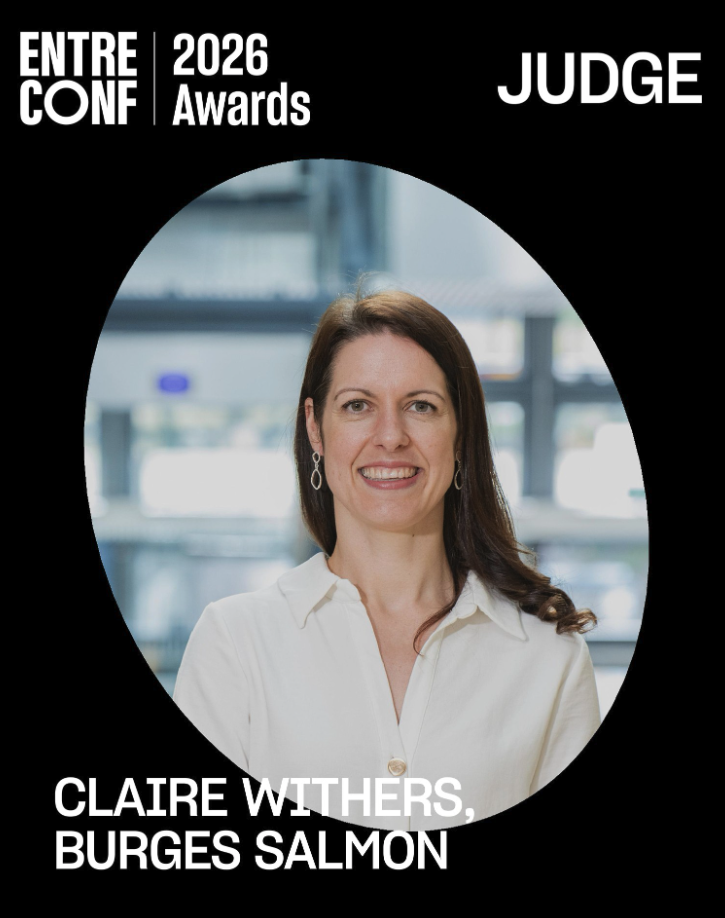
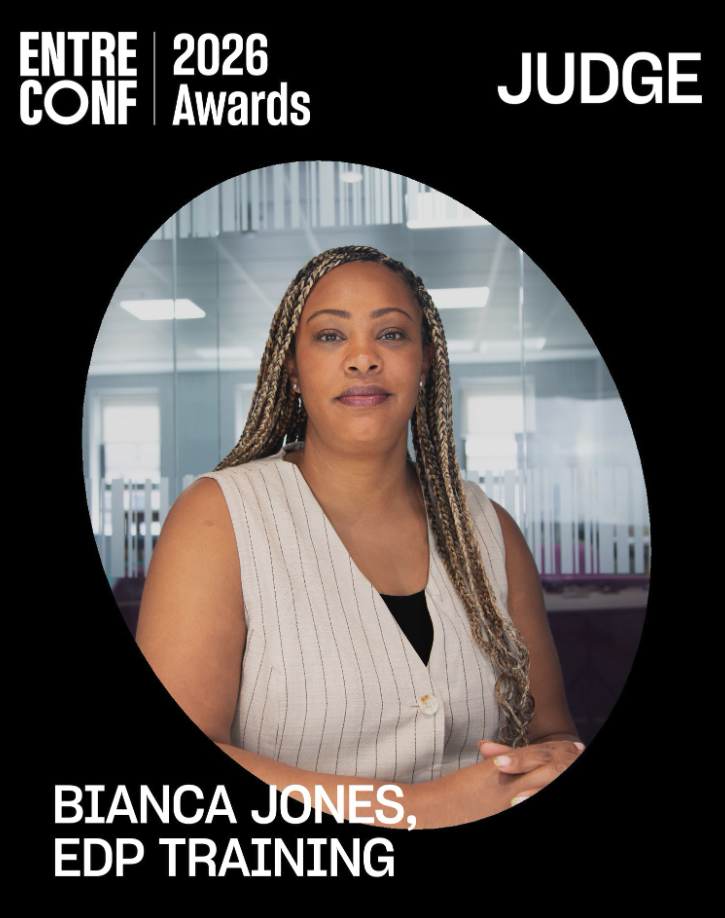
The 2026 judging panel
The panel this year brings together a real mix of business knowledge and perspectives:
- Andrew Billingham, managing director of Aviva Arena
- Bianca Jones CIPD, founder and managing director of EDP Training Ltd.
- Claire Withers CTA, senior associate at Burges Salmon LLP
- Harriet Barter, co-founder of Floresco Media
- James Hirst, managing director of Bristol Creative Industries
- Lauren Crawley-Moore, senior business development manager at London Stock Exchange
- Nick Spicer FRGS, co-founder of Your Eco
Between them, their experience spans entrepreneurship, finance, professional services, sustainability, creative industries and major regional development. Sitting in a room with people who look at a business from that many different angles is a useful reminder that there is no single version of what success looks like.






When organisations do not invest in anti-racism and allyship training, the risks are not only cultural — they can also be legal, financial, and operational.
If racism is ignored, minimised, or poorly handled, organisations may face formal complaints, grievance processes, tribunal claims, reputational damage, and the real cost of losing staff trust.
Here are some of the key risks:
• Racism may be dismissed as “banter” or misunderstanding
• Staff may not know how to challenge or report racist incidents
• Managers may mishandle complaints, making harm worse
• Global majority colleagues may disengage or leave
• Teams may become less trusting, less cohesive, and less willing to speak up
• The organisation may face tribunal claims, legal costs, reputational damage, and significant time and energy spent managing preventable issues
Anti-racism and allyship training helps organisations move from reactive damage control to proactive prevention. It protects people, strengthens teams, and reduces the risk of costly problems later.
EDP Training Nominated for EntreConf Award 2025
We are delighted to share that EDP Training has been nominated for a 2025 EntreConf Award, a celebration of bold and outstanding entrepreneurship across the South West.
This nomination acknowledges our work delivering mental health and anti-racism training that is impactful, relevant and grounded in lived experience. As a Black-owned business, it is especially meaningful to be recognised among such a strong and inspiring community of founders and innovators.
A word from our Founder, Bianca Jones:
“We’ve always believed that you can build a business that is both values-led and commercially strong.
This nomination is a lovely recognition of the work we’ve put in to create something meaningful and of the amazing clients, collaborators and communities who have supported us along the way.”
🏆 What’s next?
The awards will take place later in 2025. In the meantime, we are grateful for the recognition and excited to continue doing what we do best — delivering high-impact, purpose-driven learning experiences.
Bianca Jones, MHFA England® Instructor Member and Managing Director of EDP Training, highlights the importance of why everyone should advocate for a fair and inclusive workplace:
Curious about our work?
Browse our training programmes or get in touch to find out how we can support your team’s journey towards better mental health, cultural awareness and truly racially equitable workplaces.
Supporting Communities in Sal: EDP Training’s Latest Charity Visit
Our belief is simple: meaningful change begins when we remain closely connected to the realities people face, both within the workplace and in their wider lives.
At EDP Training, our work in anti-racism and workplace wellbeing has always been grounded in authenticity. Through the Race Ahead programme, we are committed to delivering training that extends beyond the boardroom. Our approach is informed by lived experience and driven by care, connection, and community.
Our Journey to Sal, Cape Verde
Over the years, our commitment to community has taken us far in both distance and impact. From Gambia to Senegal and most recently to Sal, Cape Verde, we have continuously sought opportunities to give back in meaningful ways.
On our latest trip, we carried a Charity Suitcase filled with essential items such as clothes, bras, underwear, and period products. These donations were delivered directly to support women and children in Espargos, where access to basic hygiene and care products is often limited.
Spotlight on Local Impact
In addition to our direct donations, we also contributed leftover funds to a local charity in Sal called “My Cape Verde.” This organisation uses community support to create moments of joy and togetherness, such as the children’s mini street disco we were fortunate to attend.
Watching the children dance in the street, laughing and celebrating, reminded us of the deeper purpose behind our work. Even small gestures of support can spark joy that reaches further than we ever imagine.
How You Can Support
You don’t need to travel across the world or make large donations to be part of this journey. Supporting meaningful change can begin right where you are.
-
Share this blog with your network to help raise awareness of the work being done by organisations like My Cape Verde.
-
Engage with our LinkedIn posts about the trip and Race Ahead, every like, comment, and share helps amplify our message.
-
Start conversations in your workplace about anti-racism, inclusion, and wellbeing.
-
Stay connected to what’s happening in real communities and explore how your actions can contribute to lasting impact.
Race Ahead at DisruptHR Bristol
On 8 May, our team had the privilege of taking part in DisruptHR Bristol, a bold, fast-paced evening that brought together people leaders, innovators, and changemakers to challenge the status quo around work, leadership, and equity.
Our talk, “What If We Really Did Put Race Ahead in Our Organisations?”, invited the audience to move beyond good intentions and truly lead with race equity.
Why This Conversation Matters
📉 Only 1.5% of senior leadership roles in the UK are held by Black professionals.
📈 70% of Black employees say they’ve been overlooked for promotion — compared to 45% across the wider population.
🧠 1 in 4 employees have experienced workplace racism — a clear wellbeing issue, not just an EDI challenge.
In just five minutes, we cut through the fluff and named the real blockers: performative actions, slow progress, and the fear of getting it wrong. Then we focused on what works — sharing bold, practical, and lasting steps towards race equity in the workplace.
From Ideas to Action
We were especially proud to highlight that racism isn’t just a diversity issue, it’s a mental health issue too. Race equity must be woven into every layer of organisational culture, leadership, and policy.
Gratitude and Next Steps
Huge thanks to the DisruptHR and Insight teams for creating such an energising and inclusive space. And a special shoutout to the incredible fellow speakers who made the night unforgettable.
To everyone who attended — thank you for listening, reflecting, and joining the conversation.
If you missed the talk or want to revisit the key points, the video is now available online.
Cape Verde Travelogue
Reason to Visit Cape Verde
I started this year with a trip to Cape Verde, an island nation off the coast of West Africa that played a pivotal role in the transatlantic slave trade. The island of Sal, now famous for its salt flats and tourism, was once deeply connected to the economics of enslavement.
During the 15th and 16th centuries, Cape Verde became a key hub for the Portuguese, serving as a stopover for ships transporting enslaved Africans to the Americas. Salt, a critical commodity for preserving food during long voyages, was harvested here, deeply linking its value to the system of oppression.
While Sal is now known for its beautiful beaches and resorts, its history runs deep. Each journey I take strengthens my understanding of the legacy of enslavement and its lasting impact, knowledge that is crucial as we prepare to revamp our training in April.
Sal boat
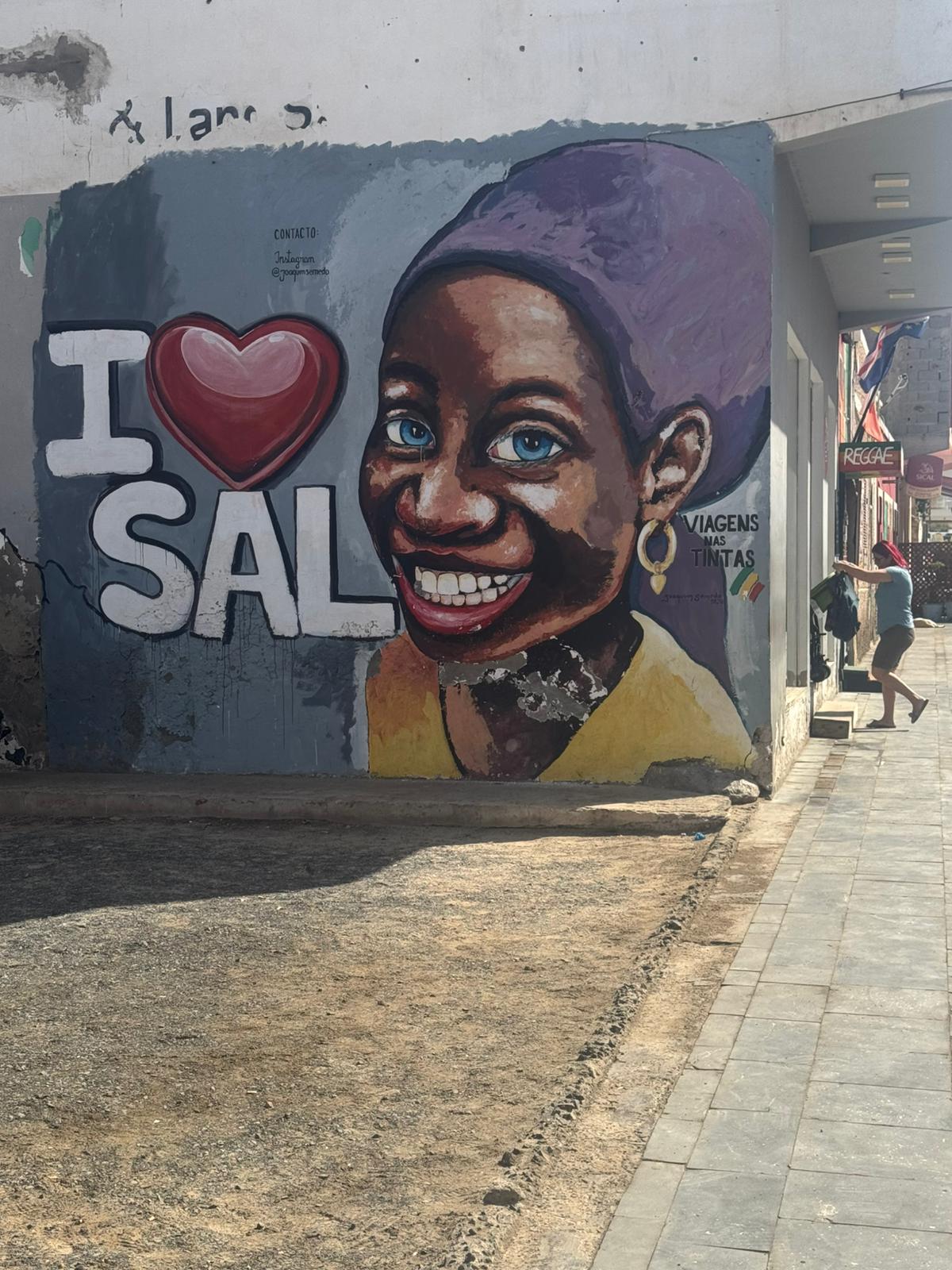
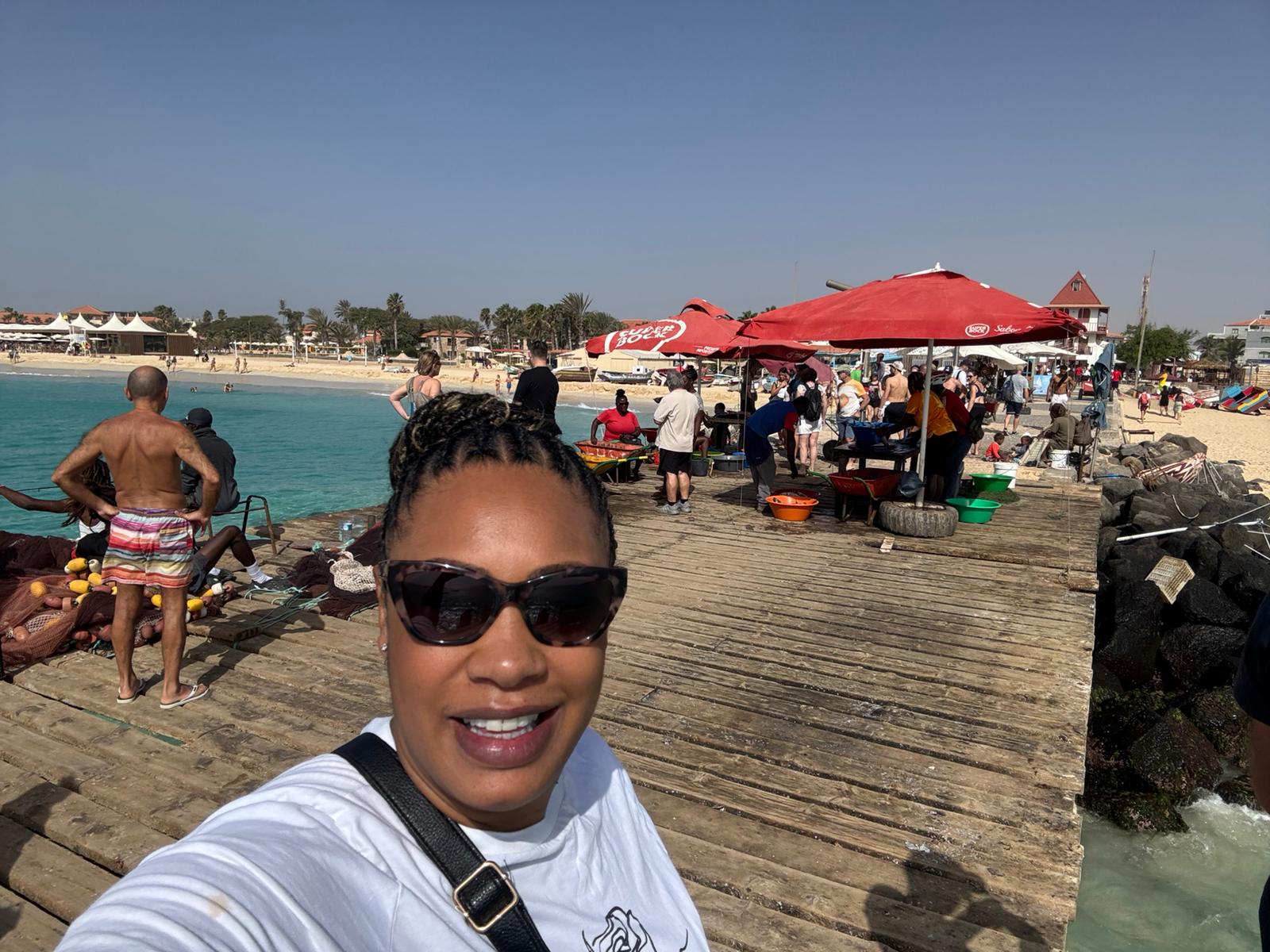
This monument, symbolizing emancipation, stands on an island off the coast of Senegal, historically used as a hub for the transatlantic slave trade. For four centuries, enslaved individuals were brought there before being transported across the Atlantic, a practice that persisted until the 19th century.
Not far from this site, Lisbon’s city hall now occupies the location where a former slave prison once stood. Enslaved Africans were detained there until taxes were paid by their owners.
Portugal, a nation that celebrates its explorers and maritime heritage, finds its colonial history a contentious topic. Traditionally, the country has taken pride in its perception of racial inclusivity.
Impact of Slavery on Modern Cape Verde
Cape Verde’s culture is deeply shaped by its history of slavery, evident in its language, music, religion, and traditions. The Cape Verdean Creole language (Kriolu), spoken by nearly everyone on the islands, emerged as a fusion of African languages and Portuguese, originally developed as a means of communication between enslaved people and colonizers. Despite Portuguese remaining the official language, Kriolu is the true expression of Cape Verdean identity, carrying the rhythms and structures of African speech patterns.
Music, one of the most defining aspects of Cape Verdean culture, also reflects the legacy of slavery. Morna, the country’s most famous genre, carries the melancholic tones of sodade—a deep longing and nostalgia rooted in the experience of forced migration and separation. Instruments like the cavaquinho (a small guitar introduced by the Portuguese) were adapted into local styles, blending European melodies with African rhythms. Similarly, batuko, a drumming and dance tradition with clear African origins, was once suppressed by colonial authorities but survived as a powerful symbol of resistance and resilience.
Religious and spiritual practices in Cape Verde also bear traces of slavery’s impact. While Catholicism, introduced by the Portuguese, is the dominant religion, many Cape Verdeans incorporate African spiritual beliefs and practices into their faith. This syncretism is evident in traditions like healing rituals, ancestor veneration, and the symbolic use of music and dance in religious ceremonies.
Even culinary traditions reflect the blending of cultures shaped by slavery. Dishes like cachupa, a slow-cooked stew of corn, beans, and meats, originated from the limited resources available to enslaved people. Over time, these dishes evolved into national staples, representing the ingenuity and adaptability of Cape Verdeans in the face of hardship.
The Black Nation of Cape Verde
First Stop: Gorée Island
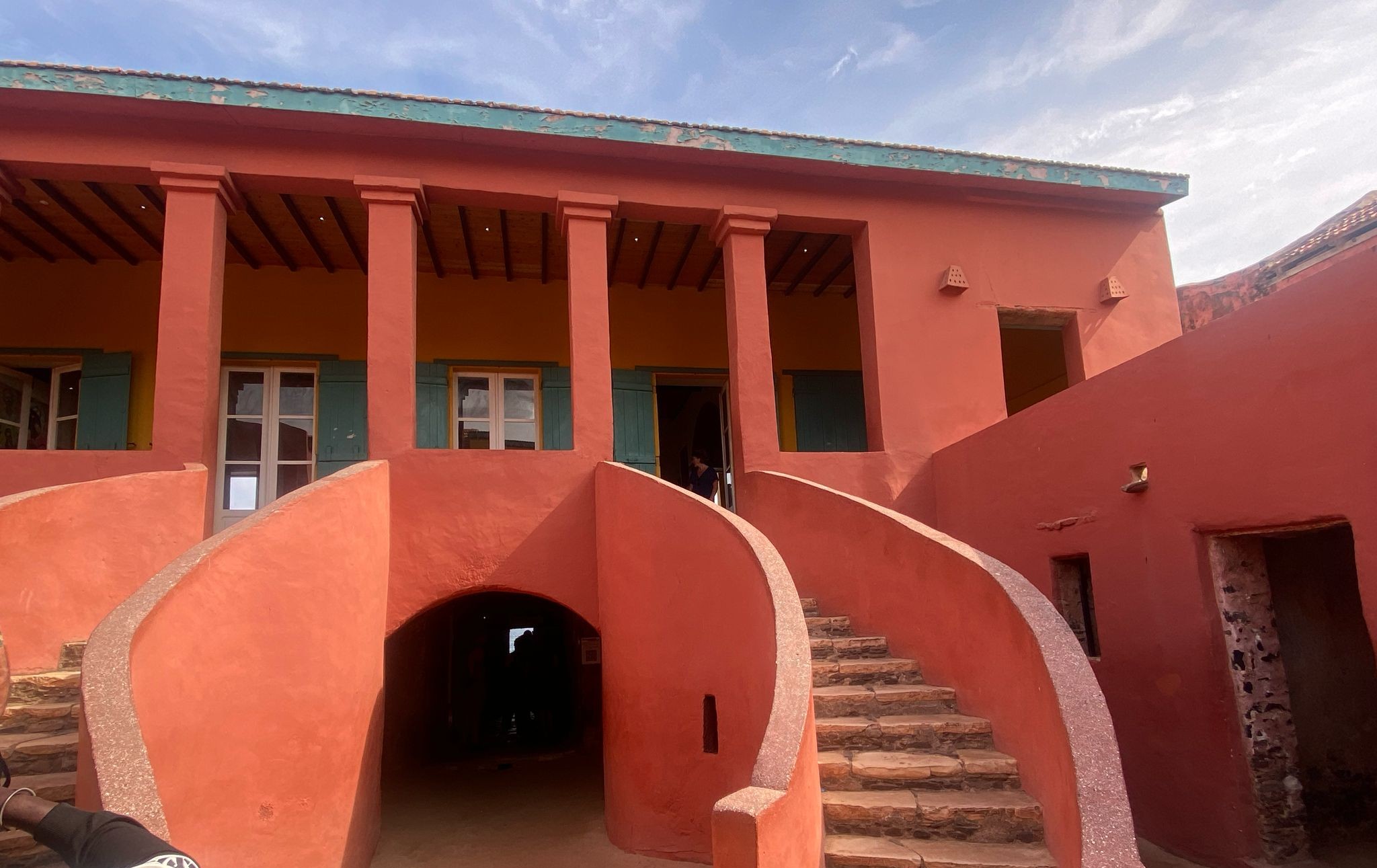
The most poignant part for me was getting to visit Gorée Island lying around 3 miles off the coast of Senegal. From the 15th to the 19th century, it was the largest slave-trading centre on the African coast. Now home to around 1500 residents, previously the island was used as a slaveholding island with over 28 slave houses. An estimated 20 million Africans passed through the island between the mid-1500s and the mid-1800s. Enslaved Africans would be processed and wait to endure the middle passage, and their final moments would be to pass through the door of no return – the last time they would have seen Africa before boarding the infamous slave ships.
The House of Slaves
Today, there is one still standing that has been protected by Unicef/Unesco, called the House of Slaves.
This was an emotional experience and strangely powerful to be standing in one of the cells where around 30 people would have been kept – where they would have eaten and slept (I could touch the sides standing up). Reflecting that my ancestors could have been kept here, it was a visit I had to do personally and professionally, keeping me motivated in the mission and work around anti-racism and wellbeing.
Race Ahead pays homage to the estimated 12 million enslaved Africans.
Second Stop: Saint-Louis
Commemorative Objects in Senegal Related to the Atlantic Slave Trade

Bernard Lynch’s cash box
Bernard Lynch was the most notorious slave trader in St. Louis. His primary trading site, known as “Lynch’s Slave Pen,” was located at the intersection of Fifth Street and Myrtle Street. This prison held enslaved people awaiting auction, captured freedom seekers, and free Black individuals who had violated the law. These individuals were often subjected to violent punishments by Lynch’s employees. Auctions were held at least once a week near the St. Louis courthouse.
Brass plaque
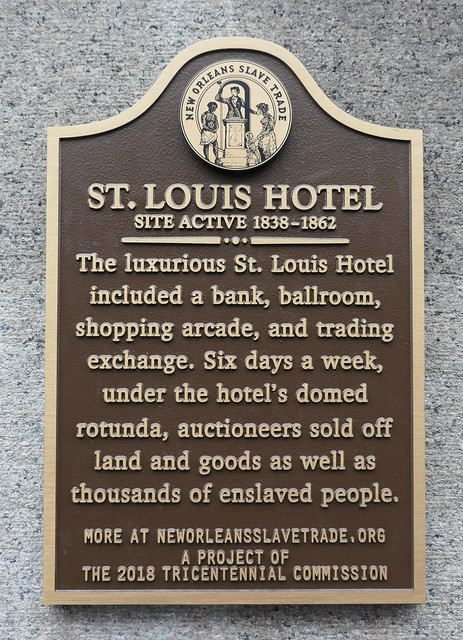
The St. Louis Hotel, operational from 1838 to 1862, was a grand establishment that housed a bank, ballroom, shopping arcade, and trading exchange. Beneath its elegant domed rotunda, auctioneers conducted sales six days a week, trading not only land and goods but also thousands of enslaved individuals. This dark chapter of history is further explored at neworleansslavetrade.org, a project initiated by the 2018 Tricentennial Commission.
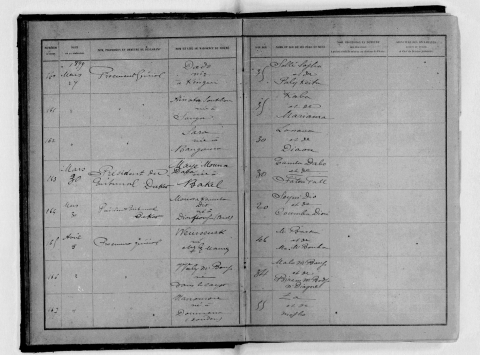
Register of Slave Liberations
The Senegal Liberations Project focuses on examining a registry of slave emancipations recorded in Senegal from 1857 to May 1903, housed in the National Archives of Senegal. This valuable historical resource comprises twenty volumes documenting a total of 28,930 cases of liberation.
Senegal’s Present
Senegal’s history carries a profound weight, yet today, it stands as a welcoming country where one can effortlessly soak in the vibrant spirit of Africa. While reflecting on its past, I also allowed myself to unwind, embracing moments of serenity amid its natural beauty. A half-day tour of the wildlife reserve offered the perfect escape, bringing me face-to-face with the country’s rich and untamed wildlife.
At the Bandia Wildlife Reserve, towering giraffes moved gracefully past us, herds of zebras thundered across the golden plains, and mischievous monkeys leaped through the treetops, their curious eyes gleaming as if inviting us to play. The highlight of the tour was tracking a magnificent white rhinoceros, found dozing in the afternoon heat. Though seemingly at ease, its watchful gaze hinted at the raw instinct that still governs the wild.
Here, the echoes of history linger, but they are softened by the boundless energy of nature and the warmth of the Senegalese people. In this land where past and present intertwine, the resilience of life shines through, making Senegal not just a place of reflection, but one of renewal and wonder.
Bianca was fortunate to capture an ostrich performing its beautiful courtship dance during her journey. Moments like these remind us that the most precious travel memories often come from unexpected encounters.
This is one of the giraffes Bianca captured at Bandia Wildlife Reserve. Watching these graceful creatures roam freely in their natural habitat is a truly mesmerising experience.
The Legacy of the Transatlantic Slave Trade in Modern Senegalese Cuisine
1. Thieboudienne
This national dish combines local fish, rice, and vegetables, showcasing the fusion of West African and European cooking techniques.
2. Mafé
Mafé is a popular West African peanut stew, featuring meat or vegetables cooked in a rich, creamy, and mildly spiced peanut sauce served typically with rice.
3. Accara
A fried snack made from black-eyed peas, representing a traditional West African delicacy with strong ties to African-American culinary culture.

Building anti-racist workplaces
As the leading authority on mental health first aid, we know that racism has a lasting impact on a person’s mental health.
As part of our Race Equality Week (3-9 February) reflections, here are some thoughts on inclusive workplaces and helpful tips on building anti-racist workplaces.
What is Race Equality Week?
Race Equality Week is an ‘annual UK-wide movement…with the aim to change by uniting thousands of organisations into action to seriously address race inequality in the workplace.
Everyone deserves a safe, fair, and inclusive working environment. And yet:
- 70% of ‘ethnic minority employees reported experiencing or witnessing racism at work’ (1)
- Less than half of workers (46%) feel that senior leaders and managers are making an impact in tackling race inequality
What does an inclusive workplace look like?
Bianca Jones, MHFA England® Instructor Member and Managing Director of EDP Training, highlights the importance of why everyone should advocate for a fair and inclusive workplace:
Authenticity & Belonging
“An inclusive workplace is one where everyone feels valued, heard, and able to show up as their authentic selves. It’s about real action, fair opportunities, and creating a psychologically safe culture of belonging.”
Racism & Mental Health
“It’s essential to recognise the impact of racism on mental health and the additional stressors many employees of colour face.”
Everyday Actions Matter
“#EveryActionCounts is a powerful reminder that small, consistent actions make a huge difference. Real change happens in everyday moments — when we all collectively call out bias, demonstrate allyship, and advocate for equity.”
Organisational Allyship
“Organisations demonstrate true allyship by acknowledging global events, taking a clear stance on racial issues, providing safe spaces, and embedding race equity into wellbeing strategies to support People of Colour and Black employees.
Sustained Commitment
“True inclusion isn’t about grand gestures but a sustained commitment to fairness, opportunity, and psychological safety.”
Five ways organisations can ensure an anti-racist workplace
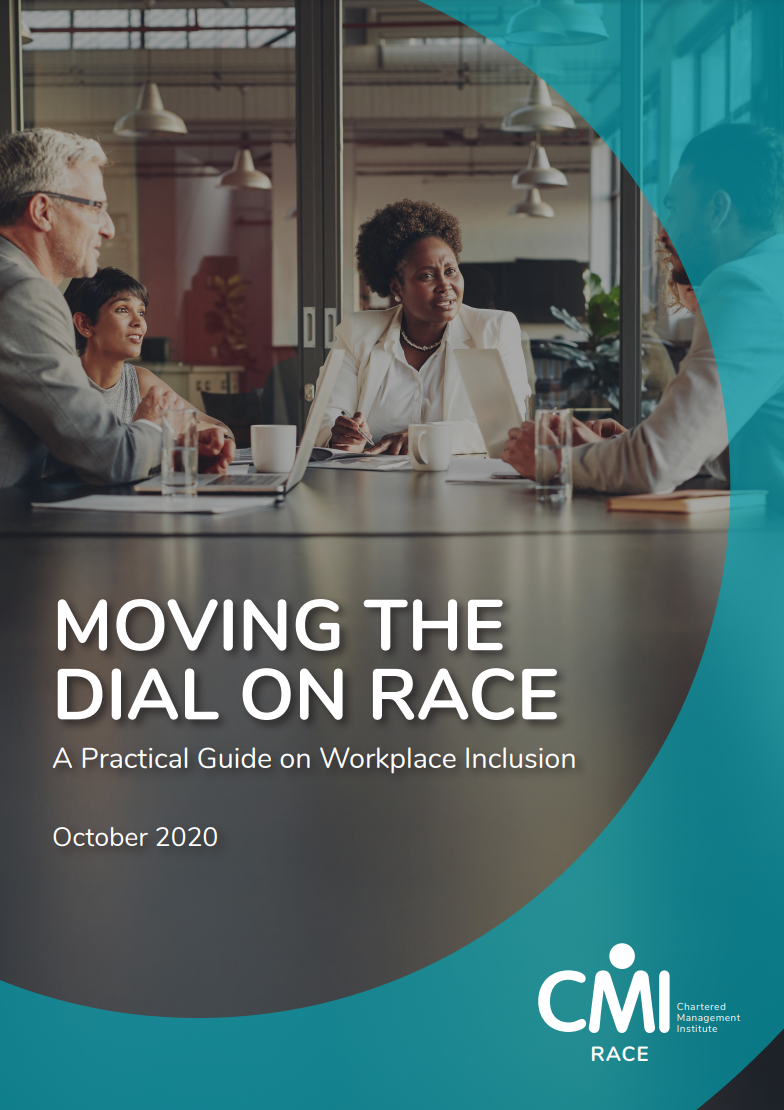
As part of MHFA England’s commitment to becoming an anti-racist organisation, we created specific guidance, with support from the Chartered Institute of Marketing and The King’s Trust, to help other organisations embed anti-racism into their workplace culture and practices.
- Review and evaluate workplace policies and protocols through an anti-racist lens
- Implement zero-tolerance policies towards racism and workplace harassment
- Invest in learning and development opportunities around anti-racism topics
- Create Employee Resource Groups (ERGs) for People of Colour and Black people
- Address lack of representation in leadership, project teams and decision tables
- and managers are making an impact in tackling race inequality
Ensuring a Safe & Inclusive Workplace for All
We all deserve to feel safe to bring our whole selves to work, without fear of judgement or consequence.
And yet, almost 1 in 3 employees (31%) have experienced at least one form of microaggression or discriminatory behaviour from their manager (3).
Brought to you by Mental Health First Aid England, My Whole Self is the campaign for workplace culture change. By bringing together diversity and inclusion with health and wellbeing, we can drive positive transformation in workplace mental health and performance.
Start Your Anti-Racism Training Course Today
Reclaiming the Narrative: Understanding Black History Beyond Slavery
“Everybody deserves to feel psychologically safe regardless of skin colour.” ——EDP Training Leader Bianca Jones
As I reflect on last year’s Black History Month, I’m reminded of the importance of its theme, “Reclaiming the Narrative.” As an Associate Instructor Member®, I had the opportunity to explore the history, legacy, and impact of this theme, particularly on mental health, and to share my thoughts on how we can all become better anti-racist allies. Looking back, I’m struck by how much work still needs to be done—and how far we’ve come.
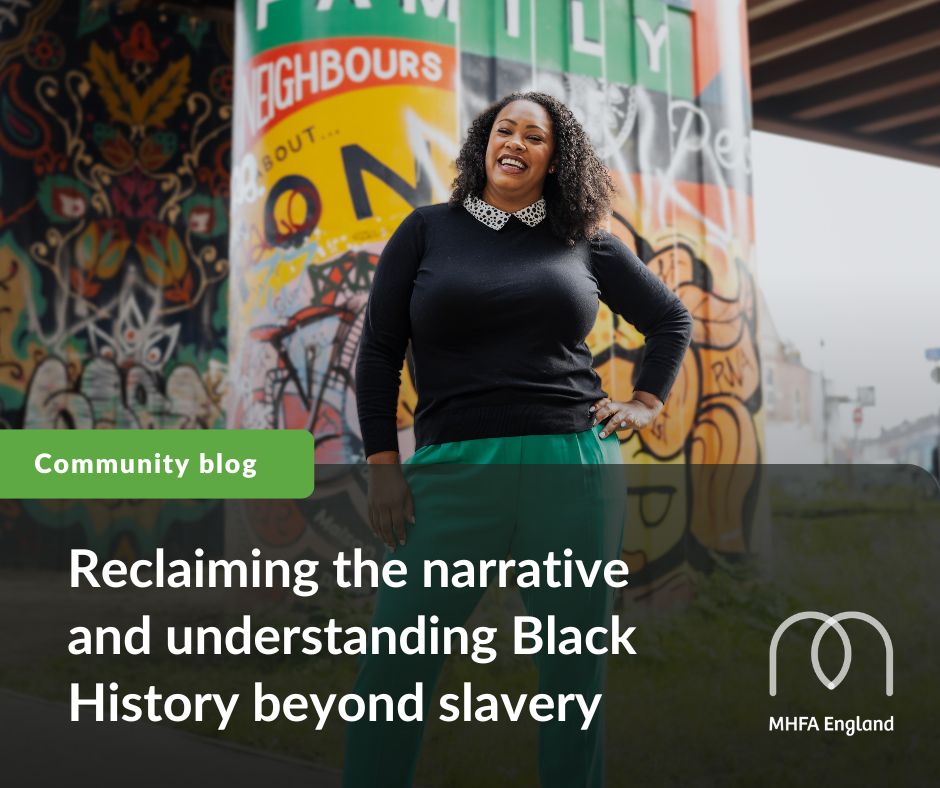
What Do We Really Know About Black History?
When I think about how Black History is often taught, it’s hard not to feel frustrated. For so many, Black History begins and ends with slavery, the transatlantic slave trade, or civil rights movements. Many of us recall that one week in school where slavery was briefly discussed, as if that encapsulated the entirety of Black History. But that’s not Black History—it’s White history.
Last year’s theme, “Reclaiming the Narrative,” was a call to correct these historical inaccuracies and shift the focus to the rich, diverse, and nuanced history of Black people that existed long before the transatlantic slave trade. It was about celebrating the full complexity of Black heritage and ensuring that our stories are told accurately and with respect. Reflecting on this, I’m reminded of how much more there is to learn and share.
The Eurocentric Education System in the UK
Looking back, I’m struck by how the UK’s education system has long centred European history, leaving little room for the contributions of marginalised groups. This Eurocentric approach has created significant gaps in our understanding of history. Lavinya Stennett, founder of The Black Curriculum, has highlighted how Black people are often erased from British history, only mentioned in the context of the slave trade. This reinforces the narrative of Black people as victims, leading to internalised racism and undermining self-esteem.
For instance, learning about the Mughal Empire or the Kingdom of Benin challenges the narrow view of Black and Brown people as solely oppressed. Yet, in 2019, only 11% of GCSE students studied modules referencing Black contributions to British history. Reflecting on this, I’m reminded of how much work remains to ensure future generations have a fuller, more inclusive understanding of our past.
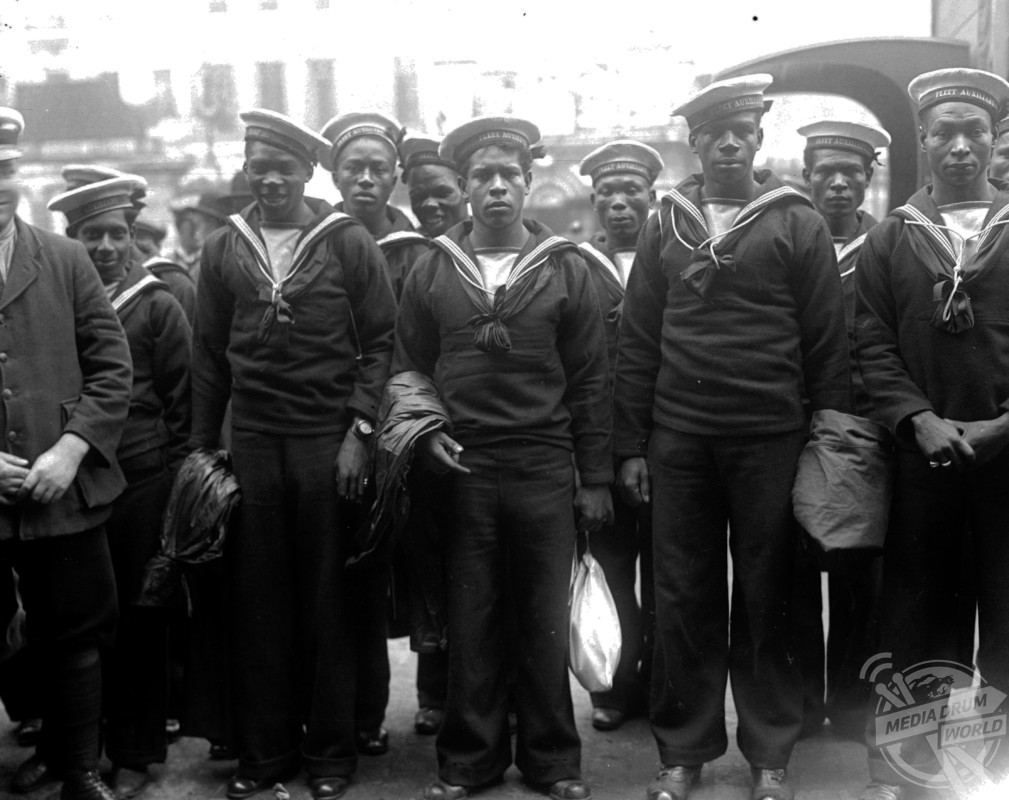
Black British Commonwealth contributions to Britain’s war effort.
The Impact of Historical Narratives on Mental Health
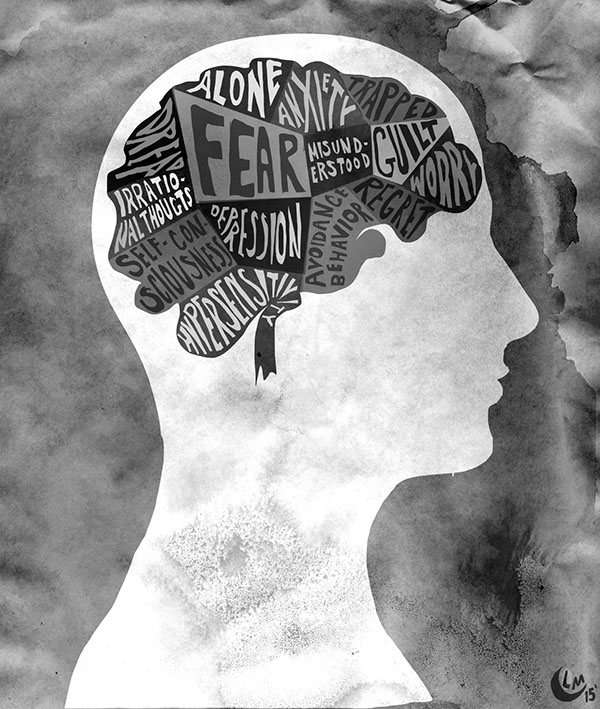
As someone who works in mental health, I’ve seen firsthand how historical narratives and cultural representation shape the mental well-being of racialised groups. In England, Black people statistically face worse outcomes across many institutions, and the misrepresentation or erasure of Black History can exacerbate feelings of marginalisation, low self-esteem, and identity struggles.
These negative impacts can manifest as anxiety, depression, and a disconnection from cultural identity. On the other hand, accurate and positive representations of Black History can foster pride, belonging, and resilience.
Key contributions of Black people in British history
16th Century
The Black community began to form in Tudor-era Britain. For instance, John Blanke was a Black musician at the court of Henry VIII, demonstrating the involvement of Black people in early British culture and the arts.
18th Century
Black activists like Olaudah Equiano and Ignatius Sancho played key roles in the British abolition movement. Through writing and speaking out, they exposed the brutality of slavery, leading to the passing of the 1807 Abolition of the Slave Trade Act.
19th Century:
Industrial Revolution
Black workers participated in the British Industrial Revolution, especially in port cities like Liverpool and Bristol. They worked as sailors, dock workers, and craftsmen, contributing to the economic development of Britain.
19th Century:Victorian Period
During the Victorian era, the Black community grew in Britain, with many African and Caribbean immigrants arriving. Notable Black activists such as Mary Seacole played a vital role by providing medical aid during the Crimean War, showcasing the significant contributions of Black women in British history.
1914–1918:
World War I
Over 15,000 Caribbean and African soldiers served in the British military during World War I, contributing significantly to the war effort, both on the Western Front and in logistical support.
1939–1945:
World War II
Over 600,000 Black soldiers and workers fought for Britain during World War II, including soldiers from the Caribbean, Africa, and India. They participated in major campaigns such as the D-Day landings and the Burma campaign.
1940s–1950s:Windrush Generation
After the war, large numbers of Caribbean immigrants (known as the “Windrush Generation“) arrived in Britain to help rebuild the economy. They filled labor shortages in sectors such as healthcare, transportation, and manufacturing.
20th Century:
Cultural Influence
Black artists, musicians, and writers like Samuel Selvon, Zadie Smith, and Steve McQueen enriched British cultural life. Music styles such as reggae, hip-hop, and calypso also had a profound impact on British pop culture.
21st Century
Black people continue to play a significant role in politics, sports, science, and the arts in Britain. For example, Stormzy has used his music and activism to promote racial equality, while Marcus Rashford has worked to combat child poverty through charity efforts.
The test to assess the health of newborns is not suitable for those with darker skin tones. Bianca has been invited to provide a professional comment.
The Medical Gap and Historical Inequities
Reflecting on the medical field, I’m reminded of how the medical establishment was built during a time of slavery and segregation, and how its teachings reflected these inequalities. It wasn’t until 2020 that a medical textbook was published showing skin conditions on Black and Brown skin. Reclaiming the narrative means acknowledging these gaps and ensuring that medical education includes diverse perspectives and experiences.
The Legacy of Racism in Health Statistics Today
3.5 times
In March 2023, Black people were 3.5 times more likely than White people to be detained under the Mental Health Act.
3%
Black doctors make up only 3% of NHS consultants, the most senior medical positions.
1.7%
Just 1.7% of registered practitioner psychologists in the UK identify as Black.
7 times
Black people are over seven times more likely to be placed on a Community Treatment Order (CTO) than White people.
5 times
Black women in the UK are five times more likely to die during pregnancy, childbirth, or postpartum than White women.
Black People and Mental Health
These broken narratives contribute to society today, sending a subtle but overt message that “you do not belong.” The lack of mental health support for freed enslaved Africans has led to generational trauma, which still affects the mental health of Black people today. Addressing these historical and ongoing injustices is crucial for improving mental health outcomes and creating a more inclusive society.
The role of Mental Health First Aid and MHFA England
MHFA England®’s vision is to improve the mental health of the nation including Black people. However, prejudice, discrimination, and systemic racism create barriers and inequalities in the mental health system, resulting in poorer outcomes and wider health disparities for Black people.
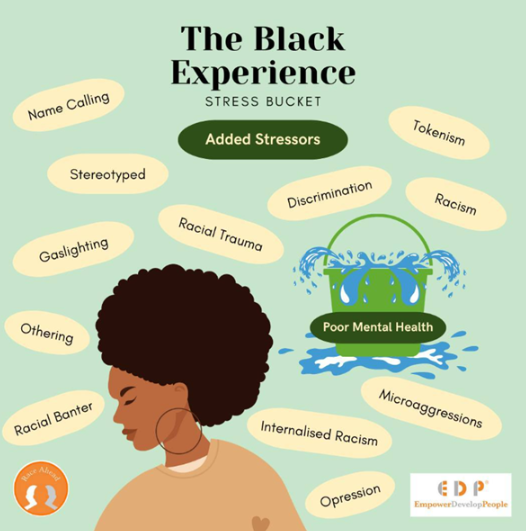
Black people also face additional stresses such as tokenism, microaggressions, gaslighting, oppression, barriers to access, ongoing exclusion, deprivation, and lower socioeconomic status, all of which compound the impacts of racism on mental health.
MHFA England plays a crucial role in supporting mental health within the Black community. Our initiatives focus on cultural competence and sensitivity, ensuring that mental health support is accessible and effective for everyone. As well as our plenaries and Race Equity training, we have taken a number of actions to become actively anti-racist:
-
We published a Statement of Intent where we committed to being an anti-racist organisation and called on other organisations to actively tackle racism.
-
We have produced free guidance for workplaces to support the mental health of People of Colour and Black colleagues.
-
We have adopted the Halo Code to prevent race-based hair discrimination.
-
We have been awarded Race Equality Matters Trailblazer Silver status for our work in tackling race inequality.
-
Our My Whole Self campaign calls on organisations to empower employees to bring their ‘whole self’ to work, because good mental health is good for business. This includes calling on employers to become actively anti-racist.
Ready to become a mental health advocate and champion change? Learn how to better Mental health self-care support your students, colleagues, clients, patients, friends or family?
Be certified! Take our Mental Health First Aid Course
Sign up today!
Sources
(1) The Black Curriculum, Re-imagining the future of education through Black British History. Available from: https://theblackcurriculum.com/ [24.09.2024].
(2) BBC Bitesize, How the Mughal empire began. Available from: https://www.bbc.co.uk/bitesize/articles/z8jcdnb#zdq4wsg [24.09.2024].
(3) BBC Bitesize, The Kingdom of Benin. Available from: https://www.bbc.co.uk/bitesize/articles/z3x4r2p#zrh896f [24.09.2024].
(4) Athiei Ajuong, Could racism be address through education? Available from https://www.blackhistorymonth.org.uk/article/section/bhm-for-schools/could-racism-be-addressed-through-education/ [24.09.2024]
(5) Commonwealth War Gaves Commission, Black stories from World War Two you might know. Available at https://www.cwgc.org/our-work/blog/black-stories-from-world-war-two-you-might-not-know/#:~:text=They%20came%20from%20across%20the,idea%20of%20their%20wartime%20experience. [24.09.2024]
(6) NHS Digital. Detentions under the Mental Health Act. Gov.UK. 2024
(7) Parliament of the United Kingdom. Mental Health Act 1983. 1983
(8 & 9) Health & Care Professions Council. HCPC Diversity Date Report 2021. 2021
(10) Office for National Statistics. Ethnic group, England and Wales: Census 2021. 2022
(11) Mind, Mind responds to annual Mental Health Act statistics. Available from https://www.mind.org.uk/news-campaigns/news/mind-responds-to-annual-mental-health-act-statistics-1/#:~:text=Black%20people%20are%20now%20over,to%20963%20in%202023%2F24. [24.09.24]
(12) Woman’s Hour, Black women are five times more likely to die in pregnancy, birth or postpartum that White women. Why? Available at https://www.bbc.co.uk/programmes/m0006sg5. [24.09.24]