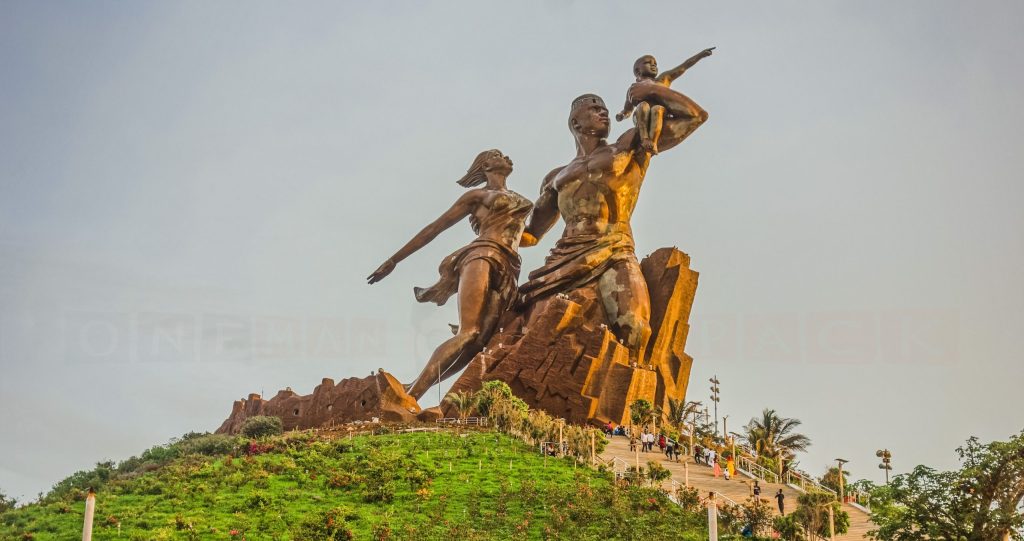
First Stop: Gorée Island
The most poignant part for me was getting to visit Gorée Island lying around 3 miles off the coast of Senegal. From the 15th to the 19th century, it was the largest slave-trading centre on the African coast. Now home to around 1500 residents, previously the island was used as a slaveholding island with over 28 slave houses. An estimated 20 million Africans passed through the island between the mid-1500s and the mid-1800s. Enslaved Africans would be processed and wait to endure the middle passage, and their final moments would be to pass through the door of no return – the last time they would have seen Africa before boarding the infamous slave ships.
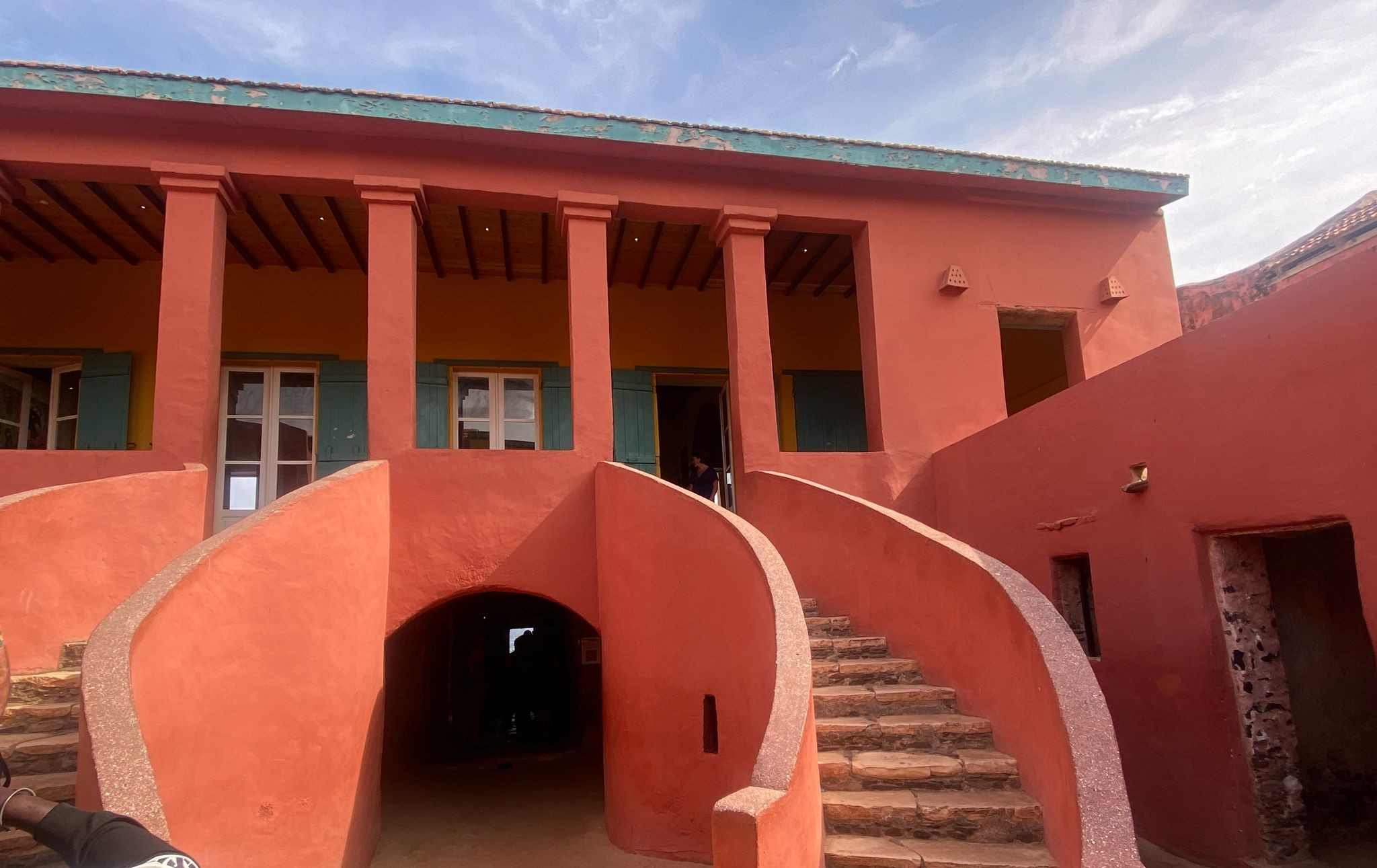
The House of Slaves
Today, there is one still standing that has been protected by Unicef/Unesco, called the House of Slaves.
This was an emotional experience and strangely powerful to be standing in one of the cells where around 30 people would have been kept – where they would have eaten and slept (I could touch the sides standing up). Reflecting that my ancestors could have been kept here, it was a visit I had to do personally and professionally, keeping me motivated in the mission and work around anti-racism and wellbeing.
Race Ahead pays homage to the estimated 12 million enslaved Africans.
Second Stop: Saint-Louis
Commemorative Objects in Senegal Related to the Atlantic Slave Trade
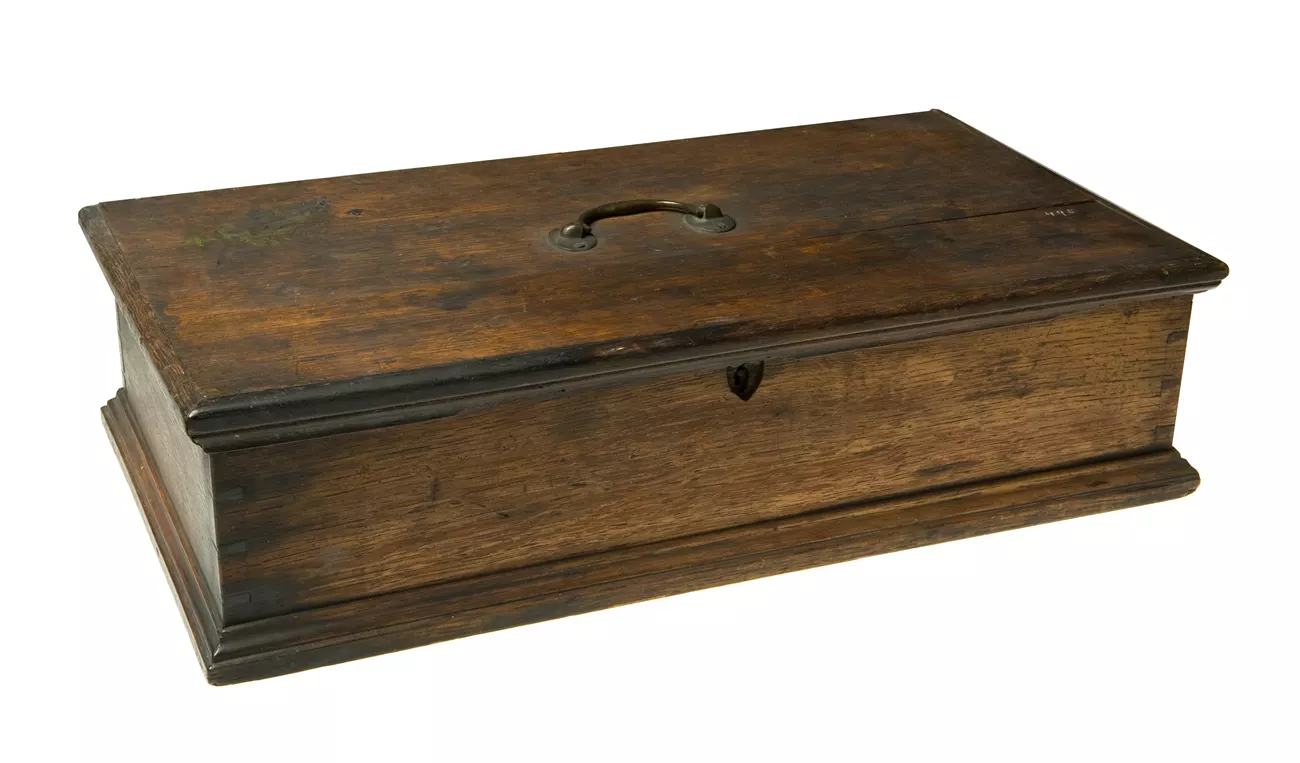
Bernard Lynch’s cash box
Bernard Lynch was the most notorious slave trader in St. Louis. His primary trading site, known as “Lynch’s Slave Pen,” was located at the intersection of Fifth Street and Myrtle Street. This prison held enslaved people awaiting auction, captured freedom seekers, and free Black individuals who had violated the law. These individuals were often subjected to violent punishments by Lynch’s employees. Auctions were held at least once a week near the St. Louis courthouse.
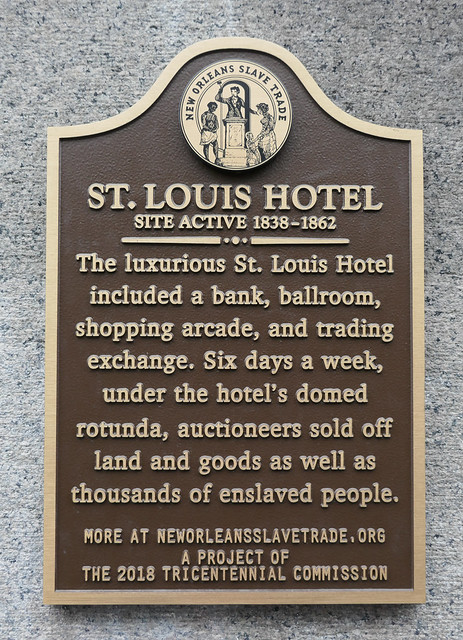
Brass plaque
The St. Louis Hotel, operational from 1838 to 1862, was a grand establishment that housed a bank, ballroom, shopping arcade, and trading exchange. Beneath its elegant domed rotunda, auctioneers conducted sales six days a week, trading not only land and goods but also thousands of enslaved individuals. This dark chapter of history is further explored at neworleansslavetrade.org, a project initiated by the 2018 Tricentennial Commission.
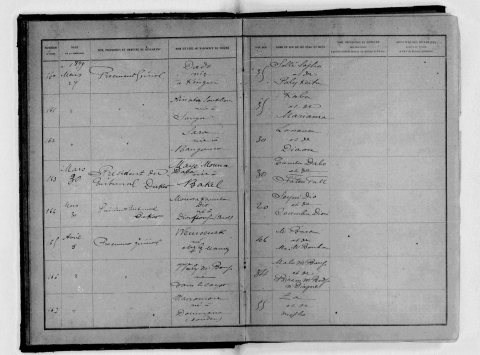
Register of Slave Liberations
The Senegal Liberations Project focuses on examining a registry of slave emancipations recorded in Senegal from 1857 to May 1903, housed in the National Archives of Senegal. This valuable historical resource comprises twenty volumes documenting a total of 28,930 cases of liberation.
Senegal’s Present
Senegal’s history carries a profound weight, yet today, it stands as a welcoming country where one can effortlessly soak in the vibrant spirit of Africa. While reflecting on its past, I also allowed myself to unwind, embracing moments of serenity amid its natural beauty. A half-day tour of the wildlife reserve offered the perfect escape, bringing me face-to-face with the country’s rich and untamed wildlife.
At the Bandia Wildlife Reserve, towering giraffes moved gracefully past us, herds of zebras thundered across the golden plains, and mischievous monkeys leaped through the treetops, their curious eyes gleaming as if inviting us to play. The highlight of the tour was tracking a magnificent white rhinoceros, found dozing in the afternoon heat. Though seemingly at ease, its watchful gaze hinted at the raw instinct that still governs the wild.
Here, the echoes of history linger, but they are softened by the boundless energy of nature and the warmth of the Senegalese people. In this land where past and present intertwine, the resilience of life shines through, making Senegal not just a place of reflection, but one of renewal and wonder.
Bianca was fortunate to capture an ostrich performing its beautiful courtship dance during her journey. Moments like these remind us that the most precious travel memories often come from unexpected encounters.
This is one of the giraffes Bianca captured at Bandia Wildlife Reserve. Watching these graceful creatures roam freely in their natural habitat is a truly mesmerising experience.
The Legacy of the Transatlantic Slave Trade in Modern Senegalese Cuisine
1. Thieboudienne
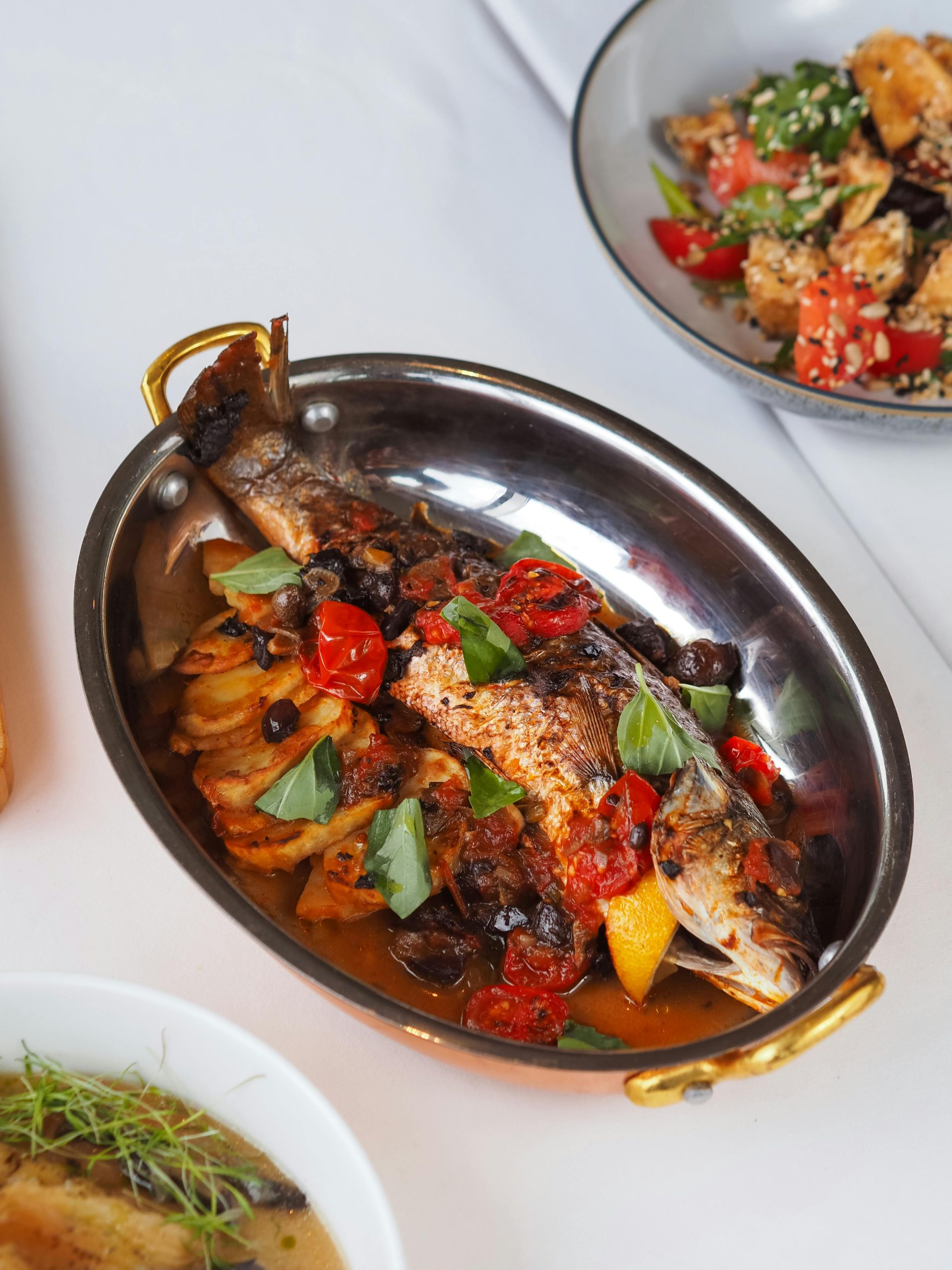
This national dish combines local fish, rice, and vegetables, showcasing the fusion of West African and European cooking techniques.
2. Mafé
Mafé is a popular West African peanut stew, featuring meat or vegetables cooked in a rich, creamy, and mildly spiced peanut sauce served typically with rice.
3. Accara
A fried snack made from black-eyed peas, representing a traditional West African delicacy with strong ties to African-American culinary culture.