Sometimes I stop and think about what the statistics might have predicted for my life, particularly when I reflect on the experiences that have shaped me.
I am a woman of colour, a single mum, someone who has experienced domestic abuse and someone who has experienced postnatal depression and recovered. When you look at the data connected to some of these experiences, it can create a very particular picture of what a person’s opportunities, career and future might look like, if you let it.
Official data highlights the scale of these inequalities. People from mixed ethnic backgrounds, sometimes described as dual heritage, reported the highest rate of domestic abuse, at 7.9%.
Black women were 2.72 times more likely than White women to die during pregnancy or shortly after childbirth. Meanwhile, Black people were nearly four times more likely than White people to be detained under the Mental Health Act, meaning they were legally required to stay in hospital for mental health assessment or treatment.
These are just a few examples within the wider landscape of inequality around poverty, employment, health and representation, which can influence how people’s opportunities and futures are perceived.
These statistics are important because they show where systems are not working fairly and where people continue to be excluded or disproportionately affected. Behind every figure is a real person, but the data can only tell part of their story. It may describe the circumstances they are facing, but it cannot measure their grit, ambition, resilience or potential, nor predict the opportunities they may create, the people they may support or the difference they may go on to make.
Ten years of building something I believe in
This year marks a decade since I started running my own business, and reaching that milestone has encouraged me to reflect on how it all began.
I did not have everything worked out. I did not have a perfect plan, a huge network, social capital or a clear picture of where the business might take me.
I simply knew that I had a passion and wanted to use my experiences, knowledge and skills to help create better workplaces and support people to approach conversations that were too often being avoided.
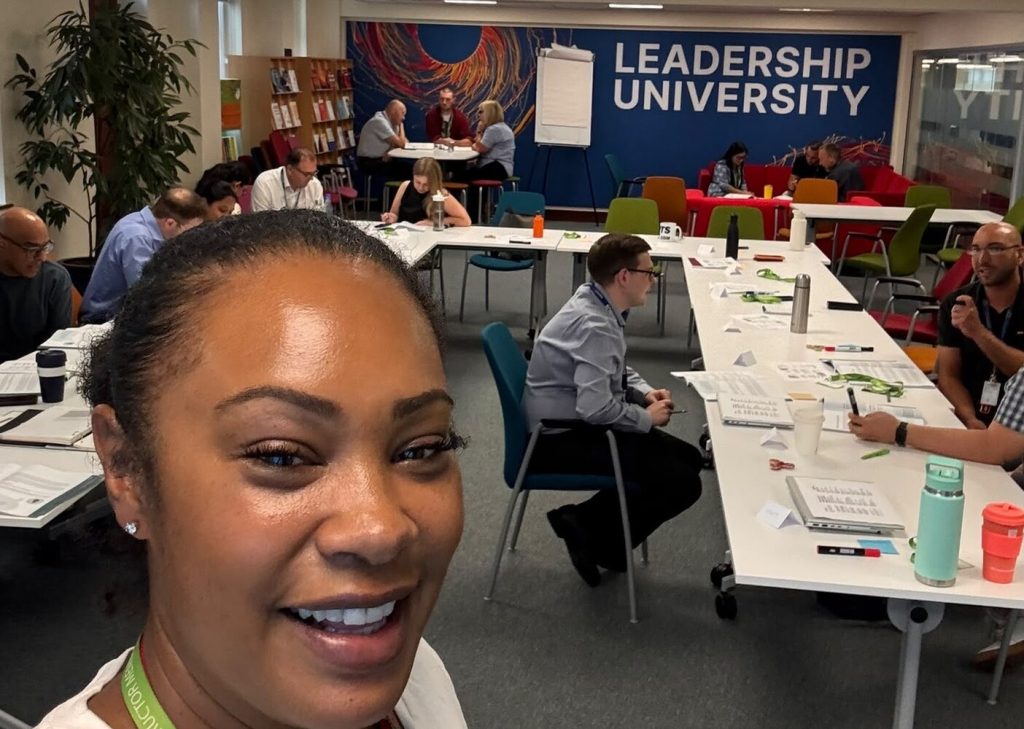
Since then, I have had the privilege of training thousands of people and working with hundreds of organisations across different sectors. I have delivered sessions on race equity, mental health, allyship, leadership and workplace culture, helping people build confidence, challenge inequality and think more carefully about the environments they create for others.
I have also been invited to speak on stages, take part in interviews, judge awards and contribute to discussions I could never have imagined being involved in when I first started.I am grateful for every opportunity, but that does not mean I have always felt completely comfortable stepping into them.
There have been times when I have questioned whether I should put myself forward. I have wondered whether I was experienced enough, polished enough or whether I really belonged in the room.
Like many people, I have experienced feelings associated with impostor syndrome at different points in my life. For people from vulnerable and marginalised groups, those feelings can be more frequent and more difficult to overcome.
I have felt this many times, but my purpose has pushed me through. I try to take every opportunity to inspire the version of me I needed to see 10 years ago.
Sometimes, staying behind the scenes felt safer. Self-doubt does not automatically disappear when a business becomes established or when other people begin to recognise your work. There are still moments when I have to remind myself why being visible is important.
Showing what may be possible
For me, visibility is not about seeking attention or being the loudest person in the room, although that is what I once thought it meant. My understanding of visibility has evolved as I have grown, both as a person and as a business owner.
It is about helping someone else see what may be possible, particularly when they do not often see people with experiences similar to their own represented in leadership, business, public speaking or positions of influence.
I think about the younger me, raising a child on her own while trying to build a career based on something she is passionate about. I think about the woman I was when I left an unhealthy relationship with nothing but a chubby six-month-old baby and nothing to my name. I think about the person experiencing poor mental health who may currently struggle to imagine a future that looks different from the situation they are in today.
I cannot tell anyone that the journey will be easy. There have been long hours, difficult decisions, financial uncertainty and moments of exhaustion. I have been through the credit crisis, COVID-19, slashed training budgets, the backlash against diversity and inclusion, the Black Lives Matter movement and current global events that continue to influence the landscape.
Some opportunities did not work out. Some ideas had to change. There were times when I had to keep going without knowing exactly what the outcome would be.
But there have also been so many positive experiences.
I have watched people leave training feeling more confident about challenging racism, supporting a colleague or approaching a situation they had previously been afraid to address.
I have worked with organisations that were prepared to listen, reflect and make changes. I have met people whose openness, honesty and commitment have continued to inspire me and that is what has kept me moving forward.
More than a training session
The work has never only been about delivering training.
It has been about helping people feel safer, more confident and better able to speak up. It has involved encouraging organisations to look closely at their culture and understand how leadership, wellbeing and inclusion shape people’s everyday experiences at work.
On a personal level, it has also been about showing the people coming behind me that their starting point does not have to determine where they finish.
I do not share my story because I believe everyone’s journey will look like mine. We all have different experiences, opportunities and levels of support, and it would be wrong to suggest that determination alone can overcome structural inequality.
People should not have to become exceptionally resilient simply to access the same opportunities as everyone else.
Organisations, leaders and wider systems still have a responsibility to remove barriers, address inequality and create fairer environments. Real change cannot depend entirely on individuals finding the strength to navigate systems that were not designed with them in mind.
But I also understand the power of seeing someone and thinking, “If she can do it, perhaps I can too.”
Sometimes, that small shift in what we believe is possible can become the beginning of something much bigger.
Looking towards what comes next
As I reflect on this milestone, I feel proud of what I have built, grateful to everyone who has trusted me and excited about the next chapter.
I am particularly excited about the Allyship Community Platform we are currently building, shaped by feedback from our flagship Race Ahead Programme.
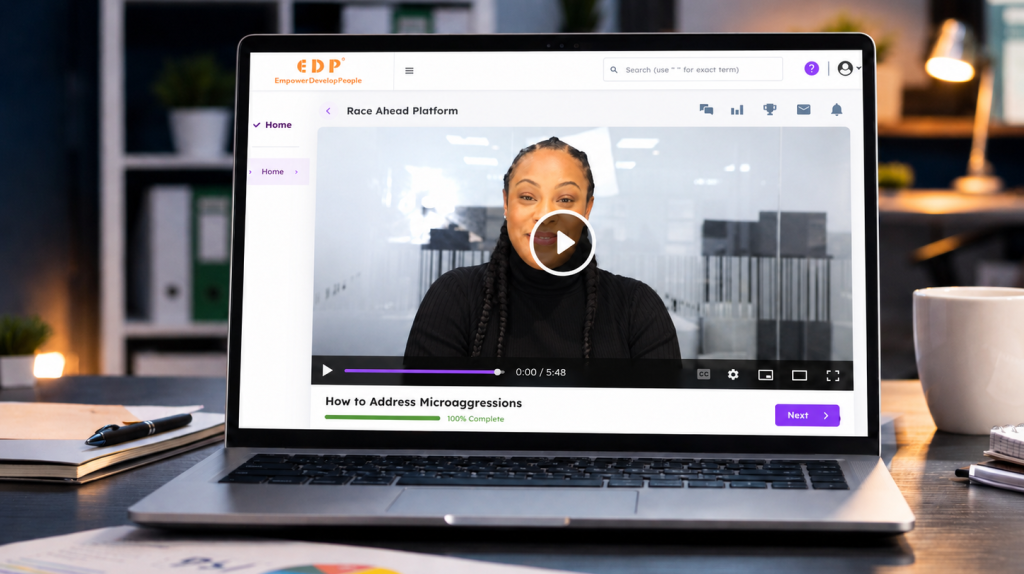
For a long time, I have seen how much can begin in a training room, but I have also seen how difficult it can be for people to continue that learning once they return to work.
The platform is being created to give people somewhere to keep learning, ask questions, reflect on real workplace situations and build their confidence over time. It feels like a natural next step for the work we have been doing and for the kind of longer-term change I have always wanted to support.
There is still a great deal of work ahead, but I am excited to continue developing something that helps people move beyond awareness and turn their intentions into action.
The statistics may help explain where I started and some of the barriers I have faced, but they do not get to decide how my story ends.
And by continuing to show up, I hope someone else might begin to imagine a different future for themselves too.
A little bit of exciting news
I’ve been shortlisted in two categories at the EntreConf Awards 2026: Entrepreneur of the Year and Female Entrepreneur.
As entrepreneurs, we often talk about the difficult parts. The hours, the pressure, the juggle, the uncertainty and the amount of work that happens behind the scenes. There are plenty of moments when running a business can feel hard, but it is worth it. We also need to make space to celebrate the good bits.
Being shortlisted is a lovely reminder that the work is being seen and recognised. For me, that work has always been about supporting organisations to improve their workplace cultures, create safer environments and help people feel more confident having conversations around race equity, wellbeing and inclusion. On a personal level, it’s about showing what’s possible to the people coming through behind me.
Building a business around something you genuinely care about is not always easy, but moments like this make me stop, reflect and feel proud of how far we have come. Ten years on, we’re excited about the next chapter and the Allyship Community I’ve been busy building behind the scenes.
A huge thank you to everyone who has supported me, worked with me and trusted me with their teams.

On the other side of the table
I was also invited to join the judging panel for this year’s awards, which was a real privilege. As an entrepreneur myself, I felt I could bring a perspective on entrepreneurial spirit, resilience and what it really takes to build and grow a business.
What struck me most was the sheer amount of talent, innovation and passion across the South West. Reading through the entries was both inspiring and humbling.
Thank you to the EntreConf team for asking me to be part of the process.

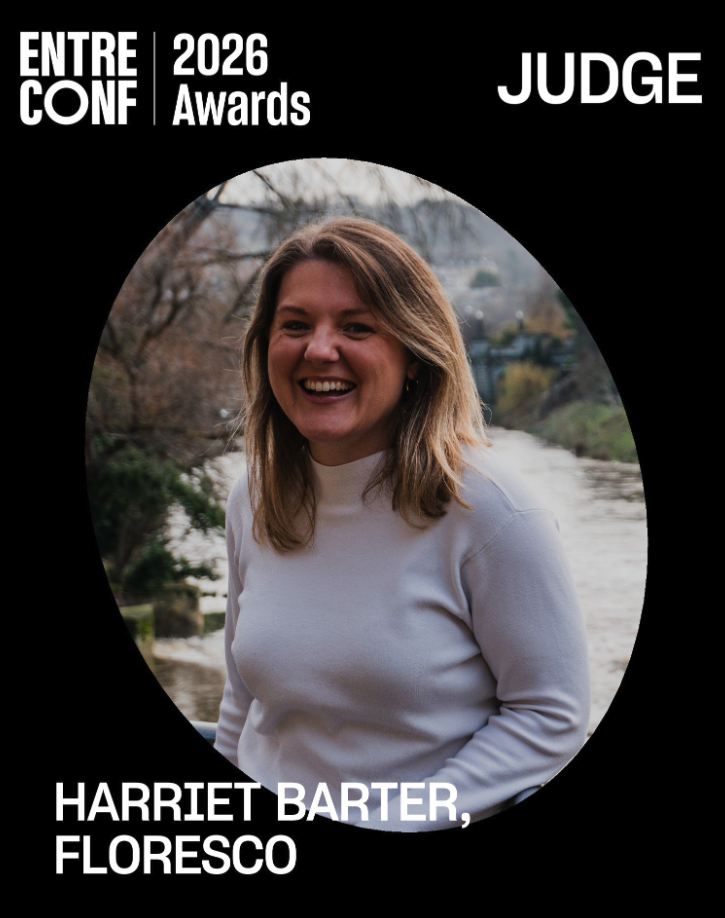
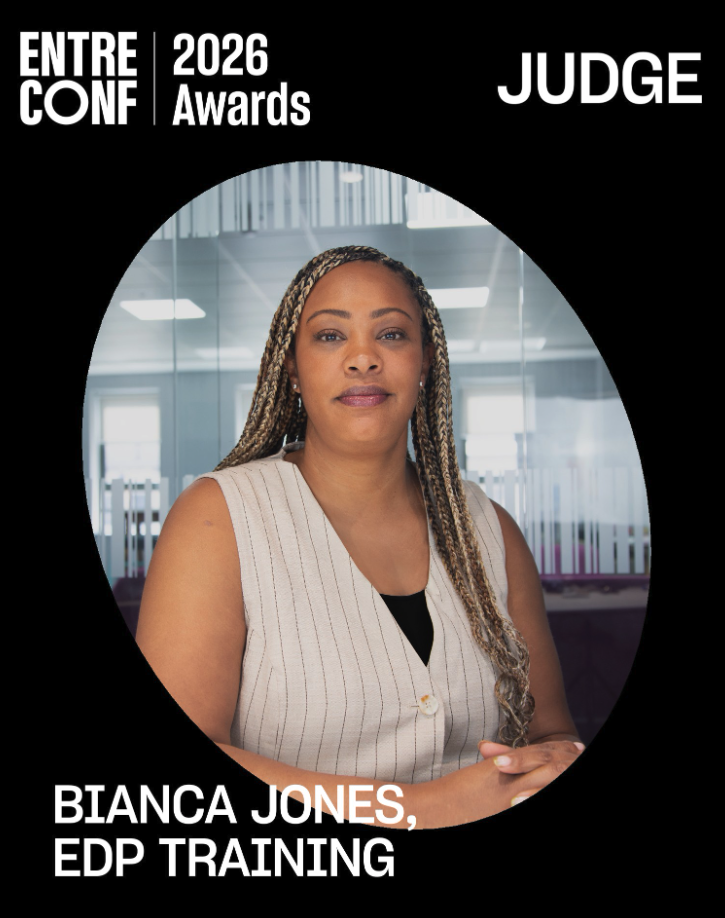
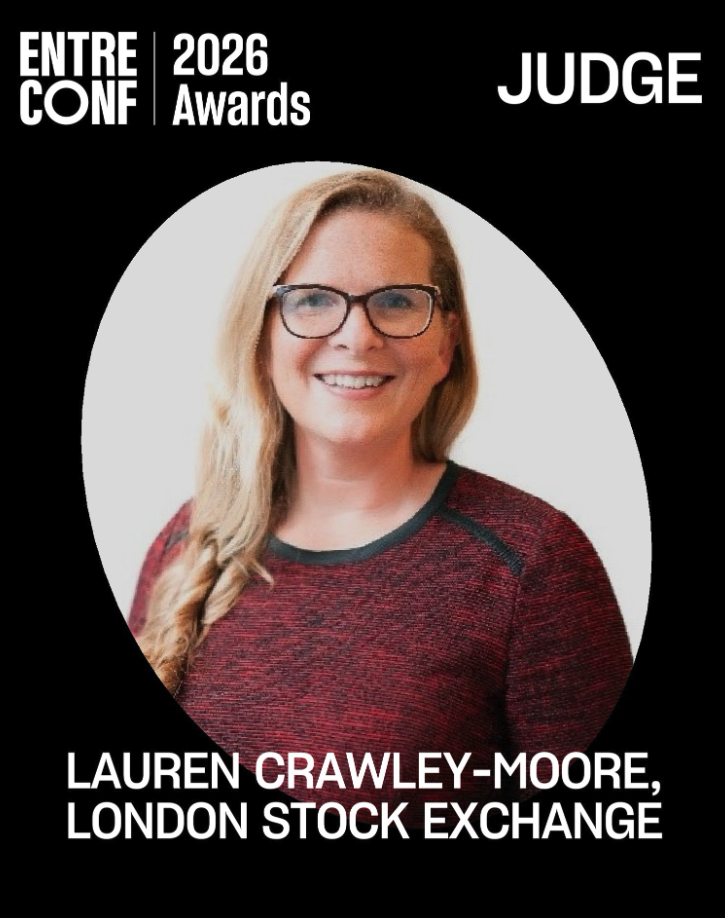
The 2026 judging panel
The panel this year brings together a real mix of business knowledge and perspectives:
- Andrew Billingham, managing director of Aviva Arena
- Bianca Jones CIPD, founder and managing director of EDP Training Ltd.
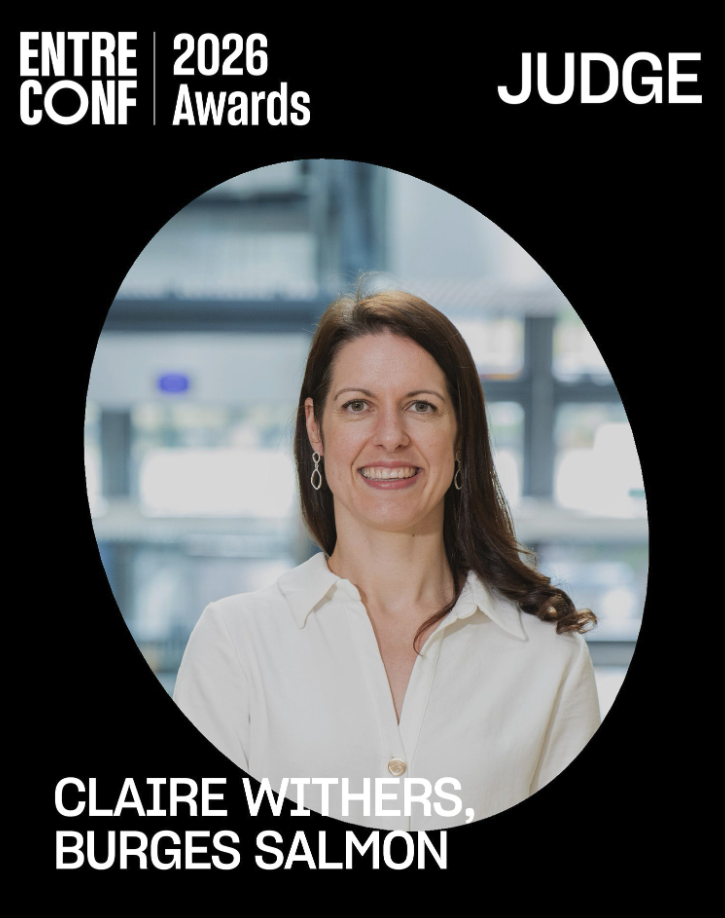
- Claire Withers CTA, senior associate at Burges Salmon LLP
- Harriet Barter, co-founder of Floresco Media
- James Hirst, managing director of Bristol Creative Industries
- Lauren Crawley-Moore, senior business development manager at London Stock Exchange
- Nick Spicer FRGS, co-founder of Your Eco
Between them, their experience spans entrepreneurship, finance, professional services, sustainability, creative industries and major regional development. Sitting in a room with people who look at a business from that many different angles is a useful reminder that there is no single version of what success looks like.



When organisations do not invest in anti-racism and allyship training, the risks are not only cultural — they can also be legal, financial, and operational.
If racism is ignored, minimised, or poorly handled, organisations may face formal complaints, grievance processes, tribunal claims, reputational damage, and the real cost of losing staff trust.
Here are some of the key risks:
• Racism may be dismissed as “banter” or misunderstanding
• Staff may not know how to challenge or report racist incidents
• Managers may mishandle complaints, making harm worse
• Global majority colleagues may disengage or leave
• Teams may become less trusting, less cohesive, and less willing to speak up
• The organisation may face tribunal claims, legal costs, reputational damage, and significant time and energy spent managing preventable issues
Anti-racism and allyship training helps organisations move from reactive damage control to proactive prevention. It protects people, strengthens teams, and reduces the risk of costly problems later.
EDP Training Nominated for EntreConf Award 2025
We are delighted to share that EDP Training has been nominated for a 2025 EntreConf Award, a celebration of bold and outstanding entrepreneurship across the South West.
This nomination acknowledges our work delivering mental health and anti-racism training that is impactful, relevant and grounded in lived experience. As a Black-owned business, it is especially meaningful to be recognised among such a strong and inspiring community of founders and innovators.
A word from our Founder, Bianca Jones:
“We’ve always believed that you can build a business that is both values-led and commercially strong.
This nomination is a lovely recognition of the work we’ve put in to create something meaningful and of the amazing clients, collaborators and communities who have supported us along the way.”
🏆 What’s next?
The awards will take place later in 2025. In the meantime, we are grateful for the recognition and excited to continue doing what we do best — delivering high-impact, purpose-driven learning experiences.
Bianca Jones, MHFA England® Instructor Member and Managing Director of EDP Training, highlights the importance of why everyone should advocate for a fair and inclusive workplace:
Curious about our work?
Browse our training programmes or get in touch to find out how we can support your team’s journey towards better mental health, cultural awareness and truly racially equitable workplaces.
Supporting Communities in Sal: EDP Training’s Latest Charity Visit
Our belief is simple: meaningful change begins when we remain closely connected to the realities people face, both within the workplace and in their wider lives.
At EDP Training, our work in anti-racism and workplace wellbeing has always been grounded in authenticity. Through the Race Ahead programme, we are committed to delivering training that extends beyond the boardroom. Our approach is informed by lived experience and driven by care, connection, and community.
Our Journey to Sal, Cape Verde
Over the years, our commitment to community has taken us far in both distance and impact. From Gambia to Senegal and most recently to Sal, Cape Verde, we have continuously sought opportunities to give back in meaningful ways.
On our latest trip, we carried a Charity Suitcase filled with essential items such as clothes, bras, underwear, and period products. These donations were delivered directly to support women and children in Espargos, where access to basic hygiene and care products is often limited.
Spotlight on Local Impact
In addition to our direct donations, we also contributed leftover funds to a local charity in Sal called “My Cape Verde.” This organisation uses community support to create moments of joy and togetherness, such as the children’s mini street disco we were fortunate to attend.
Watching the children dance in the street, laughing and celebrating, reminded us of the deeper purpose behind our work. Even small gestures of support can spark joy that reaches further than we ever imagine.
How You Can Support
You don’t need to travel across the world or make large donations to be part of this journey. Supporting meaningful change can begin right where you are.
-
Share this blog with your network to help raise awareness of the work being done by organisations like My Cape Verde.
-
Engage with our LinkedIn posts about the trip and Race Ahead, every like, comment, and share helps amplify our message.
-
Start conversations in your workplace about anti-racism, inclusion, and wellbeing.
-
Stay connected to what’s happening in real communities and explore how your actions can contribute to lasting impact.